Understanding the Complex World of Abnormal Cerebral Growths
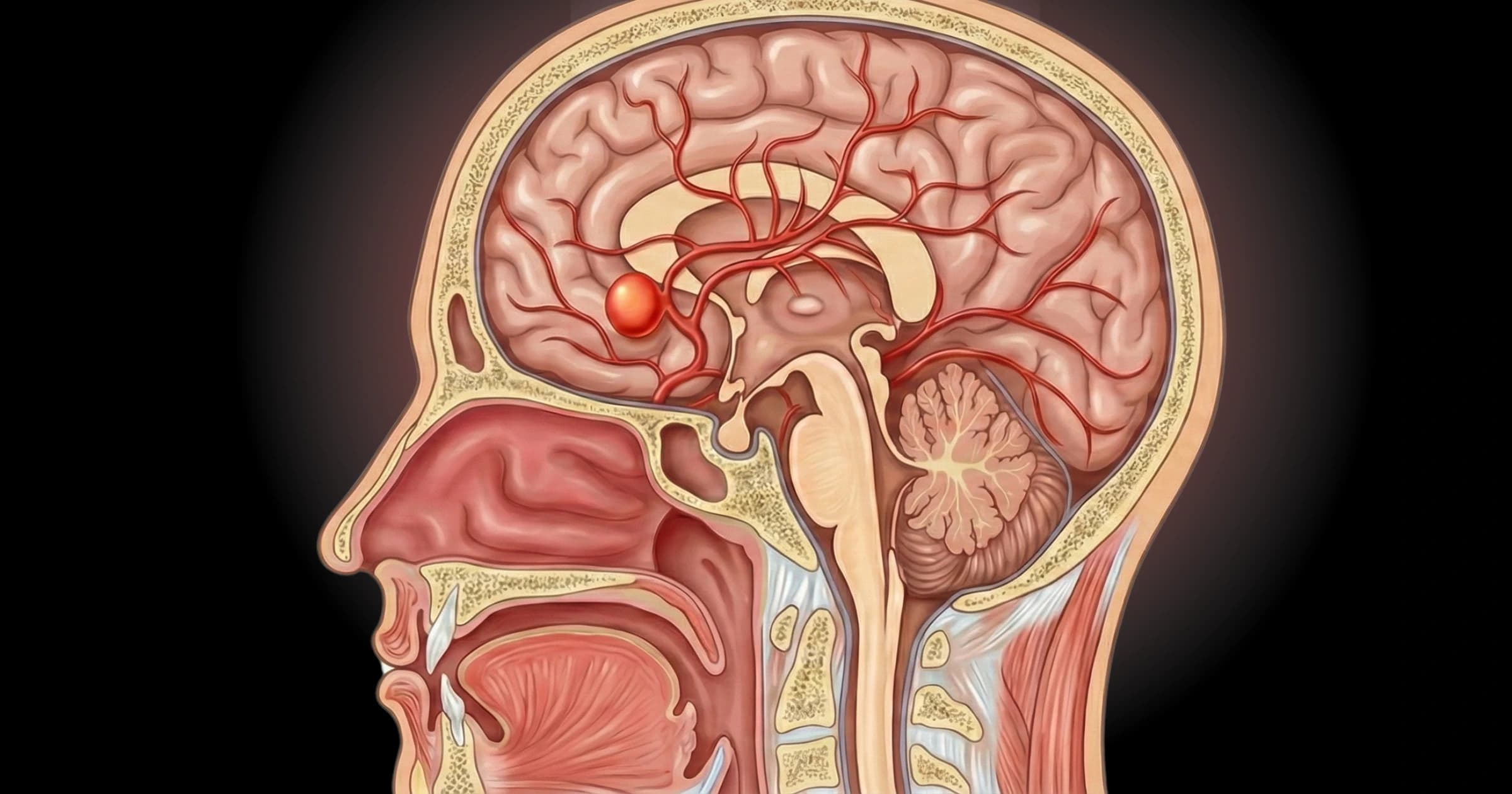
A brain tumor is not a single disease but a collection of more than 120 distinct conditions that share one defining characteristic: abnormal cells growing within or adjacent to the brain. Unlike tumors elsewhere in the body, those arising in the brain occupy space within an enclosed structure – the skull – where there is no room for expansion. This anatomical constraint transforms even biologically benign growths into potentially life-threatening conditions and makes the brain a uniquely dangerous site for any abnormal tissue.
The Biology of Brain Tumors
All tumors develop when genetic mutations disrupt the normal controls governing cell division.
In healthy tissue, cells grow, divide, and die in a regulated cycle. When this system fails, cells proliferate without restraint, accumulating into a mass. These mutations typically occur spontaneously in individual cells rather than being inherited – they are not present throughout the body, only within the tumor itself.
Why Brain Tumors Are Different
Brain tumors differ fundamentally from cancers elsewhere in the body in several critical ways.
Location is everything.
Damage from brain tumors stems from their location rather than their ability to spread throughout the body. Primary brain tumors rarely metastasize beyond the central nervous system, unlike most other cancers. Instead, they harm through local effects: compression, infiltration, and disruption of normal brain function.
The brain actively feeds tumor growth.
Neurons can establish direct connections with tumor cells via chemical and electrical synapses, actively promoting tumor growth. Brain-derived neurotrophic factor released by neurons increases calcium signaling in glioma cells, boosting their proliferation. This finding – that the brain's normal electrical activity can fuel tumor expansion – represents a fundamental shift in understanding brain cancer biology.
The blood-brain barrier blocks treatment.
The brain's protected status behind the blood-brain barrier – a specialized network of blood vessels that restricts what substances can enter the brain – presents a formidable obstacle to treatment. Approximately 98% of small molecules and nearly all large biological therapeutics cannot cross this barrier effectively. While the barrier may be partially disrupted within high-grade tumors, it typically remains intact at the invasive margins where cancer cells infiltrate normal tissue – precisely where treatment is most needed.
Grading, not staging.
While most cancers are staged by their spread to lymph nodes and distant organs, brain tumors are graded on cellular characteristics and growth patterns:
- Grade 1: Well-differentiated cells, slow growth
- Grade 4: Highly abnormal cells, aggressive growth (includes glioblastoma)
Unlike other cancers where tumor type remains constant, brain tumors can progress from lower to higher grades over time.
How Brain Tumors Cause Harm
Pressure in a fixed space.
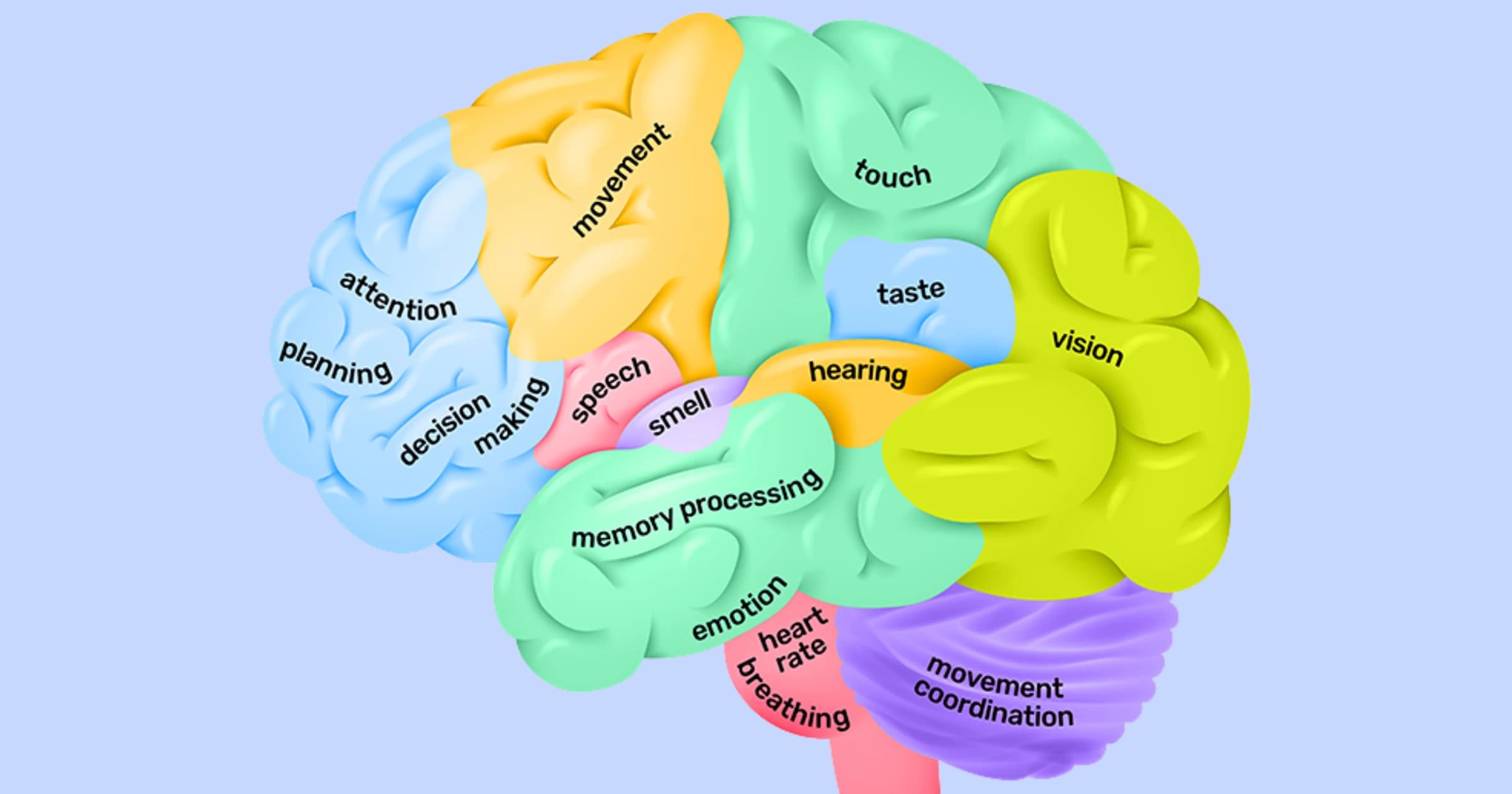
As a tumor grows inside the skull, it increases intracranial pressure. This pressure causes many classic symptoms: persistent headaches (often worse in the morning), nausea, vomiting, and vision changes. The tumor may also compress or invade surrounding tissue, causing neurological deficits depending on location: weakness on one side of the body, difficulty speaking, personality changes, memory problems, or seizures.
Swelling makes it worse.
Cerebral edema – swelling of brain tissue – compounds these effects. Tumor growth disrupts the blood-brain barrier, causing fluid to leak into surrounding tissue. This edema further increases pressure, creating a dangerous feedback loop. Malignant cerebral edema from tumor growth can cause death even when the tumor itself remains relatively small.
Herniation is the final threat.
In severe cases, elevated intracranial pressure can cause brain herniation – displacement of brain tissue from one compartment to another – which is frequently fatal. Death from brain tumors most commonly results from the growing mass causing inexorable neurological decline. In glioblastoma patients, 95% experience declining consciousness in the final ten days of life.
Even "benign" tumors can kill.
A meningioma that would be harmless tissue elsewhere in the body can cause seizures, paralysis, or death if it compresses critical brain structures. The skull's limited space means any growth, regardless of whether it's technically cancerous, can become life-threatening if it reaches sufficient size or occupies a critical location.
Quick Handbook of Major Types of Brain Cancer
The two most common primary brain tumors in adults are meningiomas and glioblastomas, which together account for over 60% of cases.
Meningiomas (~40% of primary brain tumors)
Arise from the meninges (protective membranes surrounding the brain). Roughly 2.5 times more common in women. The vast majority are benign, with five-year survival rates around 85-88%.
Many grow so slowly they never cause symptoms and are discovered incidentally on imaging. However, their location determines their impact: a meningioma pressing on the optic nerve will affect vision, while one near motor areas may cause weakness.
Glioblastoma (~14-16% of all brain tumors, 50% of malignant brain tumors)
The most aggressive and lethal primary brain tumor. Arises from glial cells (supporting cells of the nervous system). Characterized by rapid growth, extensive invasion into surrounding tissue, and prominent blood vessel formation.
Prognosis is grim:
- Median survival: 12-18 months with standard treatment
- Five-year survival: 5-7%
- Average survival: 8-16 months despite surgery, radiation, and chemotherapy
Other Notable Types:
- Oligodendrogliomas: Develop in myelin-producing cells; generally more favorable prognosis
- Medulloblastomas: Fast-growing cerebellar tumors, most common in children
- Pituitary tumors: ~14-15% of primary brain tumors; can disrupt hormone function
Detection and Diagnosis
MRI is the gold standard.
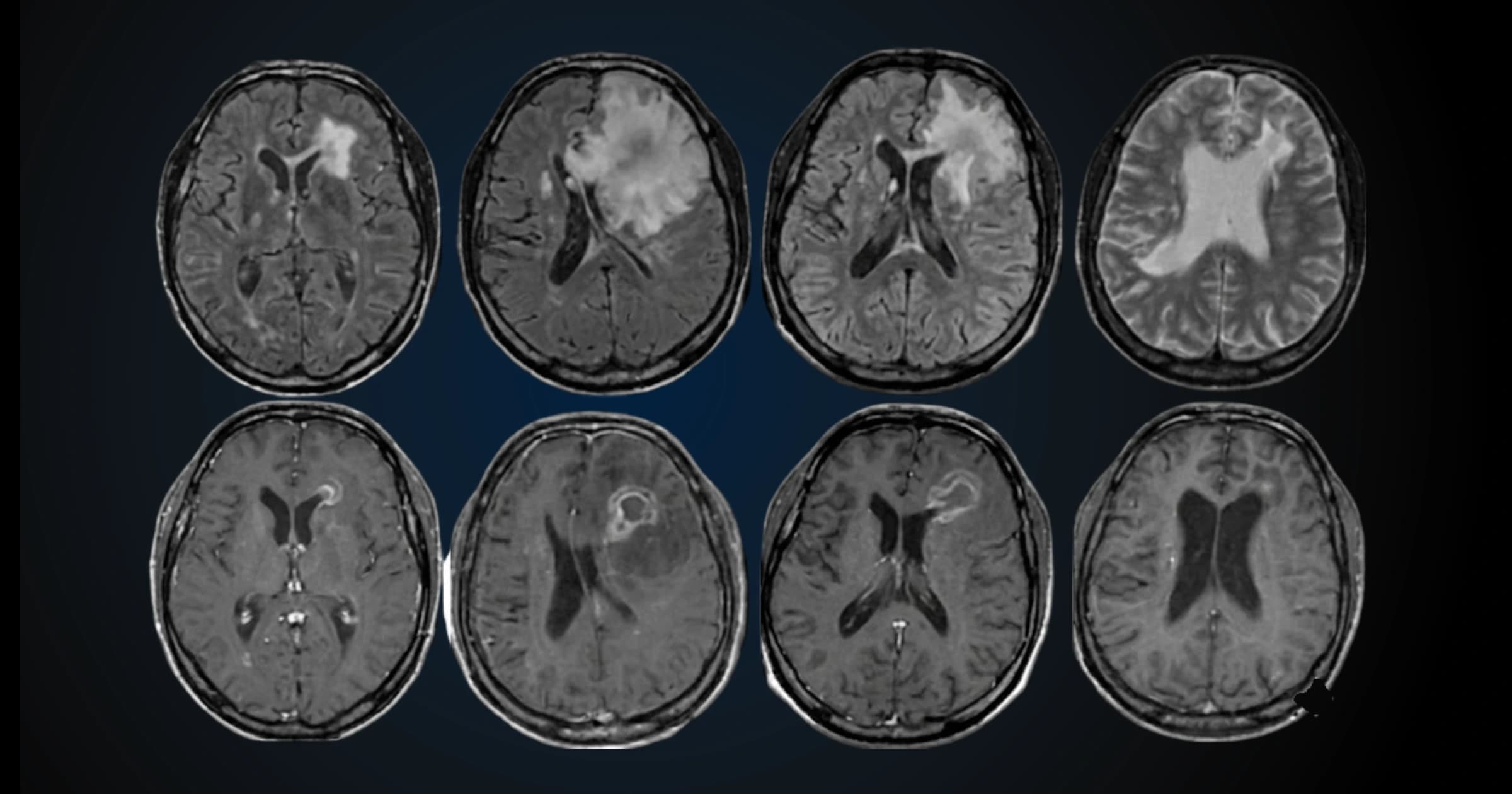
Brain tumors are almost always diagnosed through imaging, with magnetic resonance imaging (MRI) providing detailed images of soft tissue. MRI allows clinicians to identify abnormal masses, assess location and size, and distinguish between tumor types.
Advanced MRI techniques add precision:
- Diffusion-weighted imaging: Reveals tissue structure
- Perfusion imaging: Shows blood vessel formation
- Magnetic resonance spectroscopy: Measures chemical composition
No routine screening exists.
Most brain tumors are discovered when symptoms prompt investigation: the persistent headache unresponsive to over-the-counter medication, the new-onset seizure, the subtle cognitive change family members notice.
There's no screening program for brain tumors in the general population. They're relatively rare (affecting less than 1% of people) and many clinicians argue that screening would produce too many false positives.
Size at diagnosis matters.
Research from 2025 showed that larger tumors at diagnosis are associated with higher mortality, longer hospitalizations, and greater neurological deficits. This finding underscores the importance of investigating concerning symptoms rather than dismissing them.
Treatment Approaches
Treatment typically combines surgery, radiation, and chemotherapy. The specific approach depends on tumor type, grade, and location.
Surgery: Remove as much as safely possible.
Surgery aims to remove as much tumor as possible while preserving neurological function. For glioblastomas, removal of more than 98% of the visible tumor, as measured by postoperative MRI, is associated with improved survival.
For low-grade gliomas, more aggressive surgery that removes greater amounts of tumor can delay the transition to a more lethal form. However, some tumors are located in regions too critical to operate on safely – areas controlling speech, movement, or vital functions – limiting surgical options.
Radiation: A cornerstone of treatment.
Radiation therapy for brain tumors uses high-energy beams (like X-rays or protons) to damage the DNA of cancer cells, preventing them from growing and dividing, while minimizing harm to healthy brain tissue through precise targeting. This painless, non-invasive treatment aims to shrink tumors, stop their growth, or relieve symptoms.
For low-grade gliomas, radiation can produce five-year survival rates of approximately 50%. Combined with chemotherapy, outcomes improve dramatically: a 2024 trial showed that adding temozolomide to radiation increased ten-year survival from 47% to 70% for grade 2 gliomas.
Chemotherapy
The blood-brain barrier blocks most chemotherapy drugs, but temozolomide (a pill-form chemo) crosses into the brain and has become standard treatment for glioblastoma and high-grade gliomas.
Patients with MGMT promoter methylation – a molecular marker predicting chemotherapy response – see substantially better outcomes.
Living with Uncertainty: Risk Factors and Prevention
Brain tumors are relatively rare, affecting approximately 7 per 100,000 people annually. Most people who develop brain tumors have no identifiable risk factors, and there are currently no proven ways to prevent them.
Known risk factors are largely beyond individual control:
- Prior radiation exposure (usually from treating another cancer)
- Inherited genetic syndromes (neurofibromatosis, Li-Fraumeni syndrome)
- Family history (though familial cases are rare)
- Age (risk increases with age, as with most cancers)
- Obesity modestly increases meningioma risk specifically
But emerging research suggests lifestyle factors may play a role.
Recent Mendelian randomization studies, a genetic approach that avoids confounding factors, found surprising associations between sleep patterns and glioblastoma risk:
Shorter sleep duration is causally linked to higher glioblastoma risk. People consistently getting less sleep had significantly elevated risk of developing GBM, the most aggressive brain tumor.
Evening chronotype (being a "night owl") increases risk. People naturally inclined to sleep later showed higher GBM risk, independent of total sleep duration.
The mechanism: immune surveillance. Chronic sleep deprivation weakens the immune system's ability to detect and eliminate abnormal cells—including early cancer cells. Deep sleep is when the brain clears metabolic waste and the immune system patrols for threats. Disrupt that, and you may be giving nascent tumors a window to establish themselves.
The brain's unique biology makes tumors particularly challenging to treat, but research continues to advance. Novel drug delivery methods temporarily open the blood-brain barrier, molecular profiling guides treatment selection, and immunotherapy approaches are showing early promise.
Why Early Detection Matters: The Grade Progression Problem
Brain tumors don't stay static. They evolve, and that evolution is almost always in the wrong direction.
Unlike most cancers where tumor type remains constant, brain tumors can progress from lower to higher grades over time. A slow-growing Grade 2 glioma discovered today can transform into an aggressive Grade 4 glioblastoma within years. This progression fundamentally changes prognosis, treatment options, and survival.
The data is sobering:
- 70-90% of low-grade gliomas (Grade 2) eventually progress to high-grade tumors (Grade 3 or 4), typically within 5-10 years
- Median time to malignant transformation: 5-7 years for Grade 2 astrocytomas
- Once transformation occurs, median survival drops from 10-15 years (Grade 2) to 2-3 years (Grade 3) or 12-18 months (Grade 4 glioblastoma)
- Earlier, more aggressive surgery on Grade 2 tumors before transformation can delay or prevent progression to Grade 4
Why progression happens:
Genetic instability. Low-grade gliomas accumulate additional mutations over time. The most common progression pathway involves loss of tumor suppressor genes. Once these brakes are removed, cells proliferate unchecked and the tumor rapidly transforms.
Microscopic invasion. Gliomas send microscopic tendrils into surrounding brain tissue, sometimes beyond what's visible on MRI. Even after "complete" surgical resection, these invisible cells remain, continue dividing, and eventually transform into aggressive phenotypes.
The case for early intervention:
Research published in Neuro-Oncology (2023) demonstrated that maximal safe resection of Grade 2 gliomas – removing >90% of tumor volume – significantly delays transformation to Grade 4. Patients who underwent early, aggressive surgery had a median time to high-grade progression of 8.4 years versus 4.2 years for those with subtotal resection.
A 2024 study in The Lancet Oncology showed that patients whose Grade 2 gliomas were detected incidentally (via imaging for unrelated reasons) had significantly better outcomes than those diagnosed after symptoms appeared:
- Median overall survival: 16.2 years (incidental) vs. 9.7 years (symptomatic)
- Progression-free survival: 9.8 years (incidental) vs. 5.1 years (symptomatic)
Why? Smaller tumors are easier to resect completely. A 2cm tumor can often be removed with minimal neurological deficit. A 5cm tumor that's infiltrated the eloquent cortex cannot, and incomplete resection leaves behind cells that drive recurrence and transformation.
Tumor size at diagnosis predicts outcome:
Data from the National Cancer Database (2025) analyzed over 12,000 glioma patients:
- Tumors <3cm at diagnosis: 5-year survival 68%
- Tumors 3-5cm: 5-year survival 48%
- Tumors >5cm: 5-year survival 29%
Every centimeter matters. In brain cancer, waiting for symptoms is waiting too long.
References
[1] American Association of Neurological Surgeons. (2024, June 25). Brain Tumors – AANS. AANS. link
[2] Price, M., Ballard, C., Benedetti, J., Neff, C., Cioffi, G., Waite, K. A., Kruchko, C., Barnholtz-Sloan, J. S., & Ostrom, Q. T. (2024). CBTRUS Statistical Report: Primary Brain and Other Central Nervous System Tumors Diagnosed in the United States in 2017-2021. Neuro-oncology, 26(Supplement_6), vi1–vi85. link
[3] Bhowmik, A., Khan, R., & Ghosh, M. K. (2015). Blood brain barrier: a challenge for effectual therapy of brain tumors. BioMed research international, 2015, 320941. link
[4] What are the Biological Mechanisms of Brain Tumors? (n.d.). Paris Brain Institute. link
[5] Cerebral aneurysms. (n.d.). National Institute of Neurological Disorders and Stroke. link
[6] Ostrom, Q. T., Price, M., Neff, C., Cioffi, G., Waite, K. A., Kruchko, C., & Barnholtz-Sloan, J. S. (2022). CBTRUS Statistical Report: Primary Brain and Other Central Nervous System Tumors Diagnosed in the United States in 2015-2019. Neuro-oncology, 24(Suppl 5), v1–v95. link
[7] Schiff, D., O'Neill, A., Brown, P., Mehta, M., Giannini, C., Jenkins, R., … LTBK-07. Progression-Free and Overall Survival Results of ECOG_ACRIN E3F05: A Phase 3 Intergroup Trial of Radiation ± Temozolomide for Grade II Gliomas, Neuro-Oncology, Volume 26, Issue Supplement_8, November 2024, Pages viii1–viii2, link
[8] Stupp, R., Mason, W. P., van den Bent, M. J., Weller, M., Fisher, B., Taphoorn, M. J., Belanger, K., European Organisation for Research and Treatment of Cancer Brain Tumor and Radiotherapy Groups, … National Cancer Institute of Canada Clinical Trials Group (2005). Radiotherapy plus concomitant and adjuvant temozolomide for glioblastoma. The New England journal of medicine, 352(10), 987–996. link
[9] Venteicher, A. S., Tirosh, I., Hebert, C., Yizhak, K., Neftel, C., Filbin, M. G., Hovestadt, V., … (2017). Decoupling genetics, lineages, and microenvironment in IDH-mutant gliomas by single-cell RNA-seq. Science (New York, N.Y.), 355(6332), eaai8478. link
[10] Weller, M., van den Bent, M., Preusser, M., Le Rhun, E., Tonn, J. C., … (2021). EANO guidelines on the diagnosis and treatment of diffuse gliomas of adulthood. Nature reviews. Clinical oncology, 18(3), 170–186. link
[11] Wen, P. Y., & Kesari, S. (2008). Malignant gliomas in adults. The New England journal of medicine, 359(5), 492–507. link
[12] Huang, S., Zhu, J., Yu, L., Huang, Y., & Hu, Y. (2025). Cancer-nervous system crosstalk: from biological mechanism to therapeutic opportunities. Molecular cancer, 24(1), 133. link