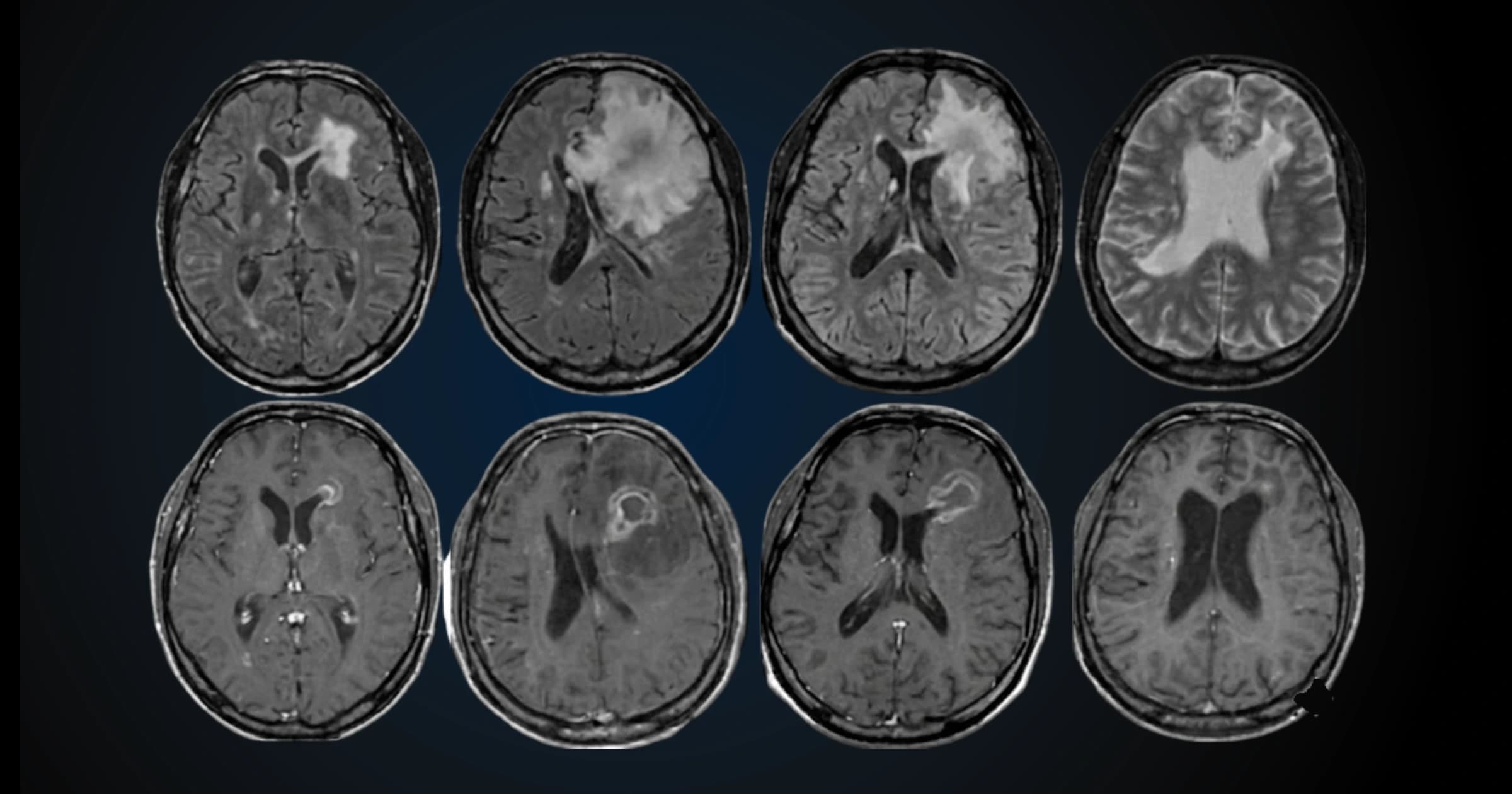
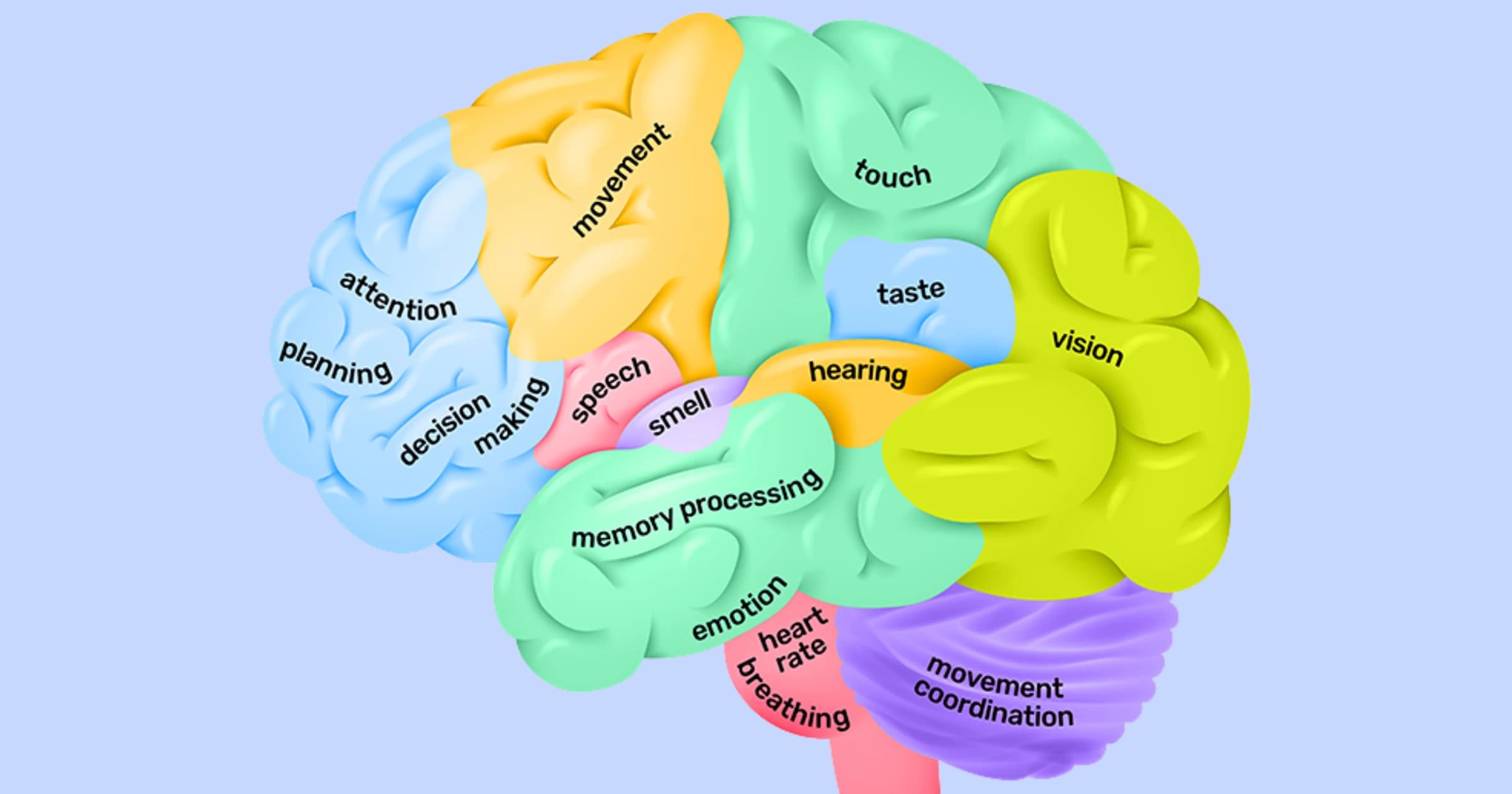
Alzheimer's is a progressive neurological disease where the speed of decline varies significantly from person to person – some experience a gradual fade over more than a decade, while others see more rapid changes.
But here's something important to understand: Alzheimer's is increasingly manageable when caught early. We're developing better detection tools and more effective treatments every year. And for many people, lifestyle changes can meaningfully reduce their risk.
Alzheimer's vs. Dementia: What's the Difference?
Dementia is not a disease. It's a syndrome – a collection of symptoms affecting memory, thinking, and social abilities severely enough to interfere with daily life.
Alzheimer's disease is the most common cause of dementia, accounting for 60-80% of all dementia cases. But it's only one of several conditions that can produce dementia symptoms.
Other types include vascular dementia (caused by reduced blood flow to the brain), Lewy body dementia (involving abnormal protein deposits that also cause Parkinson's-like symptoms), and frontotemporal dementia (which often strikes younger people and primarily affects personality and behavior rather than memory).
When someone has Alzheimer's, they have a specific brain disease characterized by the accumulation of two toxic proteins: beta-amyloid plaques and tau tangles. These are the pathological hallmarks that distinguish Alzheimer's from other dementias.
How Alzheimer's Destroys the Brain: The Protein Problem
Alzheimer's begins at the molecular level, years before symptoms appear.
Beta-amyloid is a protein fragment that accumulates between brain cells, forming sticky plaques. Tau is a protein that normally helps stabilize the internal structure of neurons, but in Alzheimer's it becomes abnormally modified and twists into tangles inside cells.
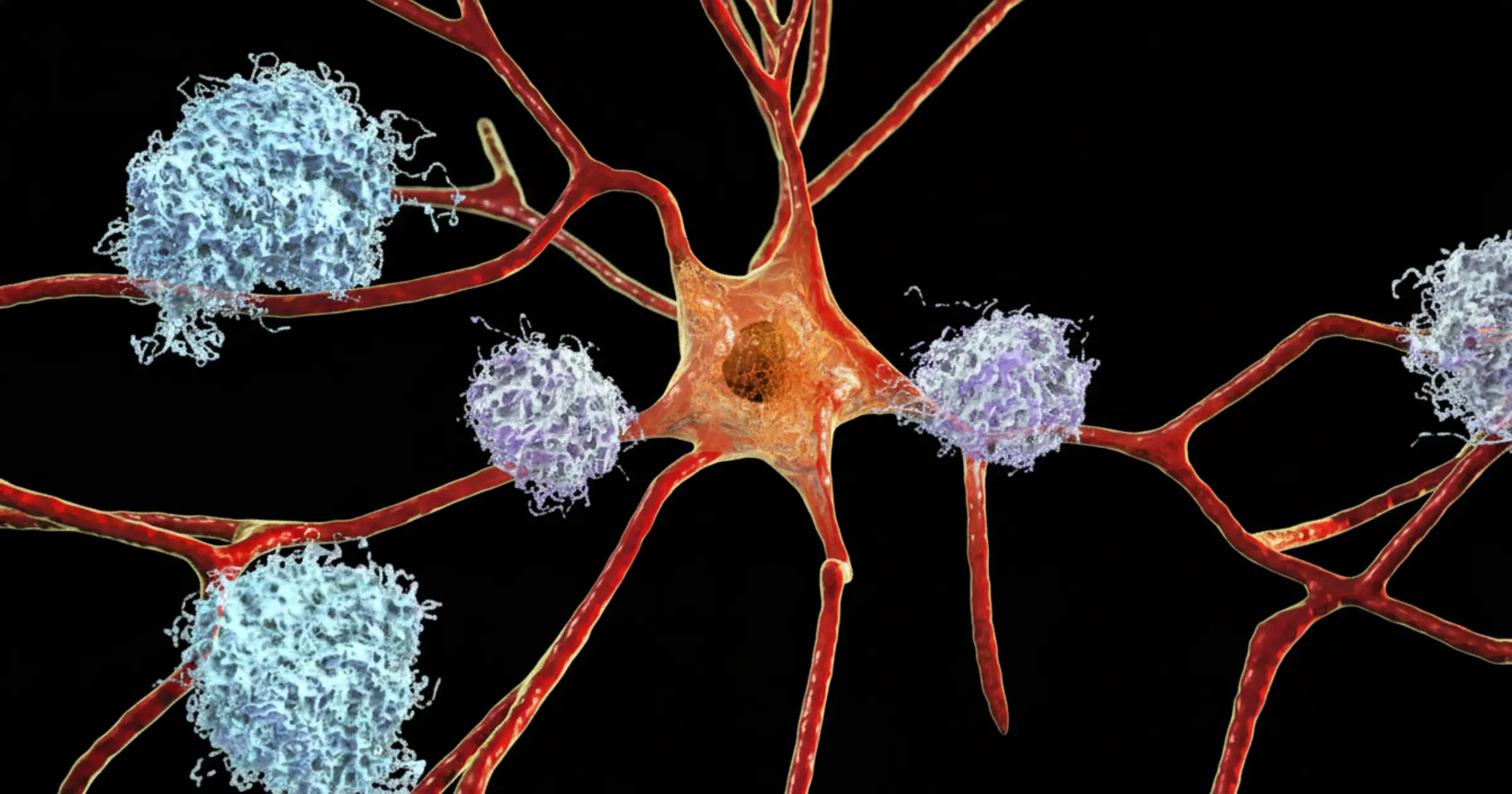
Tau tangles (orange) inside a brain cell (neuron) and amyloid plaques (blue) in the surrounding area.
The relationship between these two proteins follows a specific sequence. Beta-amyloid accumulates first, building up silently for 15-20 years before cognitive symptoms emerge. This early accumulation triggers a cascade of events that eventually leads to an abnormal buildup of tau proteins.
Research demonstrates that beta-amyloid acts upstream of tau – it initiates the process, but tau is what actually damages neurons.
Studies in mice engineered to lack tau protein showed something striking: even with abundant beta-amyloid plaques, the animals remained protected against memory deficits and neuron loss. This suggests beta-amyloid can't cause its toxic effects without tau present to carry them out.
Wherever tau tangles accumulate, neurons die. The death of neurons in specific brain regions produces the characteristic symptoms of Alzheimer's:
- Memory loss occurs when the hippocampus is affected
- Language difficulties emerge when temporal regions are damaged
- Personality changes develop when frontal areas degenerate
The hippocampus is particularly vulnerable. Located deep in the temporal lobe, this seahorse-shaped structure is crucial for forming new memories. Histological studies show the hippocampus is already considerably damaged by the time clinical symptoms first appear, which is why memory loss is typically the earliest and most prominent symptom.
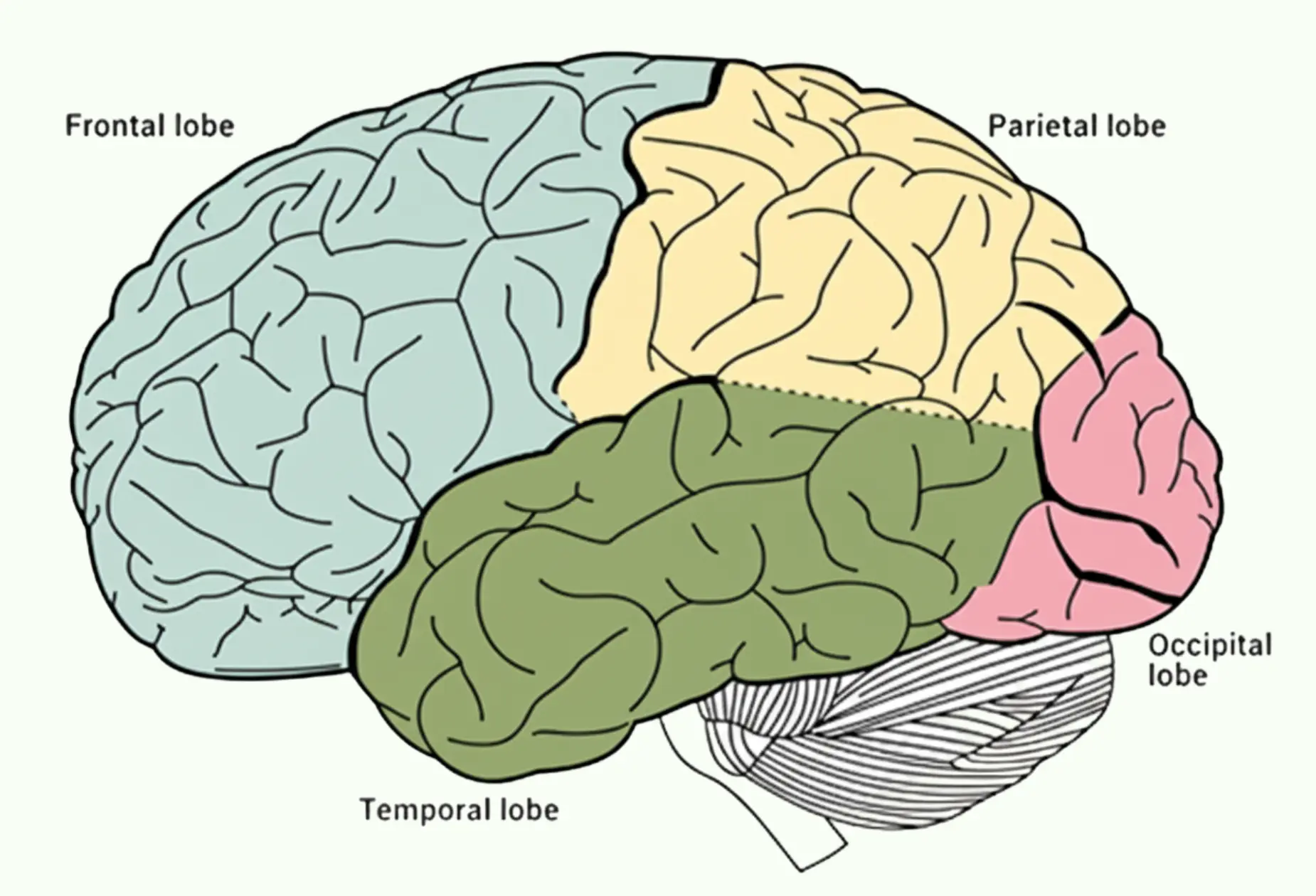
The four lobes of the brain. The hippocampus is located in the temporal lobe.
The Seven Stages of Alzheimer's Progression
Alzheimer's progresses through distinct stages, though the timeline varies considerably between individuals.
Stage 1 | Preclinical
No symptoms are evident, but pathological changes are occurring in the brain. Beta-amyloid is accumulating silently. This stage can last 15-20 years.
Stage 2 | Prodromal
Mild memory lapses appear but are generally indistinguishable from normal age-related forgetfulness. Most people don't seek medical attention at this stage.
Stage 3 | Mild Cognitive Impairment
Deficits become noticeable to close associates. People may repeat questions, have difficulty learning new skills, or get lost in familiar places. Executive function begins to decline. This stage marks the transition from normal aging to pathological cognitive impairment.
Stage 4 | Mild Dementia
Memory loss becomes more obvious. Recent events are forgotten. Mistakes in recalling the date, month, or season occur. Job performance may decline noticeably. People can still generally survive independently but with increasing difficulty.
Stage 5 | Moderate Dementia
This is the point where independent living becomes unsafe. People need help choosing appropriate clothing for weather conditions. They may wear the same clothes day after day unless reminded to change. They forget major aspects of their current life, including their address. Mean duration: 1.5 years.
Stage 6 | Moderately Severe Dementia
Cognitive deficits are severe. People may confuse their spouse with their parents or fail to recognize close family members. The ability to speak begins to break down. Incontinence develops. Constant supervision becomes necessary. Mean duration: 2.5 years.
Stage 7 | Severe Dementia
This final stage involves near-total loss of communication, inability to recognize anyone, loss of mobility, and complete dependence for all activities. Speech is limited to a few words, then lost entirely. The ability to walk is lost, then the ability to sit up, and eventually even to hold up one's head. In the very late substages, patients lose the ability to smile – only grimacing remains. Contractures (permanent muscle contractions) develop in multiple joints.
Few progress beyond Stage 7, which is commonly when one loses the ability to walk and sit up independently.
Your Genetic Risk: What You Inherit
Age is the single largest risk factor. About 11% of people over 65 have Alzheimer's; this rises to 33% for those 85 and older. But genetics also plays a substantial role.
The APOE gene comes in three possible variants: ε2 (APOE2), ε3 (APOE3), and ε4 (APOE4). You inherit two copies total – one from each parent – which means you could have any combination (like ε3/ε3, ε3/ε4, or ε4/ε4). APOE3 is the most common and is considered neutral. APOE2 is protective, slightly reducing Alzheimer's risk. APOE4 dramatically increases risk.
Having one copy of APOE4 doubles or triples Alzheimer's risk. Having two copies increases risk 8-12 fold. Recent research suggests that APOE4 homozygotes (people with two copies) represent a distinct genetic form of Alzheimer's – almost all develop the disease by age 85, with a predictable onset around age 65.
APOE4's effects vary by ancestry and sex. Among people of European descent, one APOE4 copy increases risk 3-4 fold for women but shows only marginal increased risk for men between ages 50-80. In East Asian populations, APOE4 confers even higher risk – a single copy increases risk five-fold. Among African American and Hispanic populations, APOE4 increases risk, but not as dramatically.
About 15-25% of people carry at least one APOE4 allele, and 2-5% carry two copies. While APOE4 homozygotes represent only 2% of the population, they account for approximately 15% of Alzheimer's cases.
What You Can Control: Lifestyle Factors That Matter
While you can't change your genetics or age, research shows that up to 40% of dementia cases could be prevented by addressing controllable risk factors.
Cardiovascular health is paramount. Conditions that damage the cardiovascular system – hypertension, diabetes, high cholesterol, heart disease – also increase Alzheimer's risk. What's bad for the heart is bad for the brain. The brain requires constant blood flow to deliver oxygen and nutrients while removing metabolic waste, including potentially toxic proteins like beta-amyloid.
Physical exercise may reduce dementia risk by up to 20%. Studies suggest that 30 minutes of aerobic (cardio) exercise daily, five days a week, provides substantial protection.
Diet matters, though no single food prevents Alzheimer's. Mediterranean and DASH (Dietary Approaches to Stop Hypertension) diets show consistent associations with lower dementia risk. These patterns emphasize vegetables, fruits, whole grains, fish, nuts, and olive oil while limiting red meat, sweets, and saturated fats. Read our blog Science-Backed Foods That Prevent Disease for more detailed information.
The MIND diet (Mediterranean-DASH Intervention for Neurodegenerative Delay) combines elements of both specifically for brain health. It recommends at least six servings weekly of green leafy vegetables, daily servings of other vegetables, and two servings of berries weekly. Fish should be consumed at least once weekly.
Small intervention studies suggest intensive lifestyle changes – combining strict dietary adherence, daily exercise, stress reduction, and cognitive training – may not only slow decline but potentially reverse some early cognitive impairment. A 20-week study found improvements in cognitive test scores, biomarkers, and beneficial gut bacteria among participants who followed an intensive vegan diet with supplements, daily exercise, and stress management. However, the study was small and short-term, and the lifestyle demands were extreme.
Sleep plays a crucial but underappreciated role. The brain's waste-clearance system (the glymphatic system) operates primarily during deep sleep, flushing out beta-amyloid and other metabolic waste products. Poor sleep, especially sleep apnea, may allow toxic proteins to accumulate. This suggests that addressing sleep disorders could be a legitimate prevention strategy.
Smoking increases Alzheimer's risk by 79% compared to never smoking. The mechanisms likely involve vascular damage and increased inflammation.
How We Detect Alzheimer's: From Brain Scans to Blood Tests
For decades, Alzheimer's diagnosis relied on clinical examination and basic structural brain imaging to rule out other causes like tumors or strokes. By the time brain shrinkage showed up clearly on conventional scans, significant damage had already occurred.
Advanced imaging techniques are changing this paradigm.
MRI-Based Volumetric Analysis
MRI-based volumetric analysis measures the volume of specific brain structures, particularly the hippocampus. Automated software like NeuroQuant performs this analysis by segmenting the brain into over 50 regions and comparing their volumes to normative data from healthy people of the same age.
Studies demonstrate that NeuroQuant's hippocampal measurements achieve 80% accuracy in distinguishing dementia from non-dementia – substantially better than visual rating by radiologists, which achieved only 69% accuracy. The software detected hippocampal atrophy in over 90% of patients while expert neuroradiologists identified it in only about 12% when relying on visual assessment alone.
The advantage is consistency. The same brain scan analyzed twice produces identical results, unlike human interpretation which can vary between doctors or even when the same doctor reviews it at different times.
However, limitations exist. NeuroQuant alone doesn't diagnose Alzheimer's – it's one piece of diagnostic evidence. It excels at measuring hippocampal and temporal lobe volumes but is less accurate for posterior brain regions. And while it detects atrophy well, atrophy can occur in other conditions besides Alzheimer's.
Advanced MRI Techniques
Newer MRI techniques can detect Alzheimer's-related damage before tissue shrinkage becomes visible. One approach uses quantitative Gradient Echo MRI to identify "dark matter" zones where neurons have died but tissue hasn't yet shrunk. These regions show up in people who test positive for amyloid but don't have symptoms yet, and they expand as disease progresses. The technique takes just six minutes and works on standard MRI machines already in hospitals worldwide.
PET Scans: The Gold Standard
PET scans remain the gold standard for visualizing Alzheimer's pathology. Amyloid PET scans directly image beta-amyloid plaques, detecting them years before symptoms appear. Tau PET scans visualize the location and extent of tau tangles. PET accuracy for detecting Alzheimer's exceeds 95% when combined with structural MRI.
The limitation is accessibility. PET scans are expensive, require radioactive tracers, and aren't widely available for routine screening. MRI offers a more accessible alternative for initial evaluation, with PET reserved for cases requiring definitive confirmation.
Blood Biomarkers: The Future
Blood biomarkers are the newest frontier. Recent advances can now detect amyloid and tau proteins in blood with enough accuracy to predict what's happening in your brain. A simple blood test might one day identify people at risk decades before symptoms appear, though this technology is still being refined.
Current Treatment Strategies
No treatment cures Alzheimer's or stops its progression. But several medications can slow symptom progression in the disease's early stages.
Cholinesterase Inhibitors
Cholinesterase inhibitors boost levels of acetylcholine, a neurotransmitter crucial for memory and learning. In people with mild to moderate Alzheimer's, these drugs slow cognitive decline by several months compared to placebo. They don't stop underlying brain damage – they temporarily compensate for it by enhancing remaining neuronal function.
Memantine
Memantine regulates glutamate, another neurotransmitter. Approved for moderate to severe Alzheimer's, it's often combined with cholinesterase inhibitors. Like other symptomatic treatments, it slows decline without addressing underlying pathology.
Anti-Amyloid Antibodies
Anti-amyloid antibodies represent a breakthrough in treating the disease's underlying cause. Consumer products are available in the form of monoclonal antibodies that bind to beta-amyloid and help clear it from the brain.
TrueBinding Inc. is a biotherapeutics company pioneering a monoclonal antibody therapy called TB006, which targets the Galectin-3 protein for neurological diseases, including Alzheimer's and Parkinson's. The therapy is being developed as a potential treatment to reduce inflammation and reverse the aggregation of toxic proteins like amyloid-beta and tau. TrueBinding received FDA approval in 2023 for an Expanded Access Program (EAP) to administer TB006 to patients with advanced Alzheimer's.
Alzheimer's News Today reported that among 79 participants who completed a three-month regimen, 47 percent showed signs of disease reversal or cognitive improvement, while 28 percent exhibited disease stabilization. These finds suggest that extended TB006 treatment may lead to sustained cognitive benefits.
The Path Forward
With Alzheimer's, timing is everything. Detecting it early – before significant brain damage occurs – opens the door to treatments that can meaningfully slow progression and preserve independence for years longer.
If you carry genetic risk, know your status. Understand what APOE4 actually means for your timeline and what you can do about it.
For everyone else, take control of your lifestyle risk factors. Protect your cardiovascular health – it directly protects your brain. Exercise regularly and prioritize sleep – both actively clear toxic proteins from your brain. Follow dietary patterns proven to reduce inflammation and support cognitive function.
If you or someone you know experiences cognitive changes, such as memory lapses that feel different, confusion about familiar tasks, or personality shifts, don't dismiss them as normal aging. Pursue evaluation early, when treatment options are most effective.
The science is here. We have treatments that meaningfully slow progression in early stages, and the next decade promises even more breakthroughs as research continues to accelerate.
References
[1] Can Alzheimer’s be prevented? | Alzheimer’s Association. (n.d.). Alzheimer’s Association. link
[2] Clinical stages of Alzheimer’s. (n.d.). Fisher Center for Alzheimer’s Research Foundation. link
[3] Persson, K., Barca, M. L., Edwin, T. H., Cavallin-Eklund, L., Tangen, G. G., Rhodius-Meester, H. F. M., Selbæk, G., Knapskog, A. B., & Engedal, K. (2024). Regional MRI volumetry using NeuroQuant versus visual rating scales in patients with cognitive impairment and dementia. Brain and behavior, 14(2), e3397. link
[4] Harvard Health. (2025, June 24). Alzheimer’s disease vs. other types of dementia: Understanding the differences. link
[5] Ittner, L., Götz, J. Amyloid-β and tau — a toxic pas de deux in Alzheimer's disease. Nat Rev Neurosci 12, 67–72 (2011). link
[6] James, B. D., Leurgans, S. E., Hebert, L. E., Scherr, P. A., Yaffe, K., & Bennett, D. A. (2014). Contribution of Alzheimer disease to mortality in the United States. Neurology, 82(12), 1045–1050. link
[7] Belloy, M. E., Andrews, S. J., Le Guen, Y., Cuccaro, M., Farrer, L. A., Napolioni, V., & Greicius, M. D. (2023). APOE Genotype and Alzheimer Disease Risk Across Age, Sex, and Population Ancestry. JAMA neurology, 80(12), 1284–1294. link
[8] Alzheimer’s Disease Genetics Fact Sheet. (2023, March 1). National Institute on Aging. link
[9] Study defines major genetic form of Alzheimer’s disease. (2025, September 18). National Institutes of Health (NIH). link
[10] Hamilton, J. (2023, July 17). An experimental Alzheimer’s drug outperforms one just approved by the FDA. NPR. link
[11] Hojjati, S. H., Chiang, G. C., Butler, T. A., de Leon, M., Gupta, A., Li, Y., Sabuncu, M. R., Feiz, F., Nayak, S., Shteingart, J., Ozoria, S., Gholipour Picha, S., Stern, Y., Luchsinger, J. A., Devanand, D. P., & Razlighi, Q. R. (2024). Remote Associations Between Tau and Cortical Amyloid-β Are Stage-Dependent. Journal of Alzheimer's disease : JAD, 98(4), 1467–1482. link
[12] Scheltens, P., De Strooper, B., Kivipelto, M., Holstege, H., Chételat, G., Teunissen, C. E., Cummings, J., & van der Flier, W. M. (2021). Alzheimer's disease. Lancet (London, England), 397(10284), 1577–1590. link
[13] Wang, J., Gu, B., Masters, C. et al. A systemic view of Alzheimer disease — insights from amyloid-β metabolism beyond the brain. Nat Rev Neurol 13, 612–623 (2017). link