
The Protein Obsession and What We're Missing
If your child has a phone and works out, chances are you've noticed the latest trend: ground beef, protein shakes, and for the unlucky among us, boiled chicken breast. But while everyone's hitting their protein goals and indulging our natural preference for fats and carbs, we're forgetting what many scientists argue should be classified as a fourth macronutrient: fiber.
This unassuming plant-derived component is deeply intertwined with one of the most alarming health trends of the past three decades: the steep rise in colorectal cancer among young adults.
The Age Shift: Cancer Isn't Waiting Anymore
Adults born around 1990 have double the risk of colon cancer and four times the risk of rectal cancer compared to those born in 1950. What was once an "old person's disease" is now:
- The leading cause of cancer death in men under 50
- The second leading cause in women under 50
- Predicted to be the top cancer killer for adults aged 20–49 by 2030
Something has changed, and fiber deficiency is a major suspect.
How Your Body Uses Food: The Three Traditional Macronutrients
Before examining why fiber matters so profoundly, it helps to understand how the body processes what we eat.
Carbohydrates (4 calories per gram)
Fuel for your central nervous system, brain, kidneys, and muscles (including your heart). When you eat more carbs than needed, your body stores some as glycogen in muscles and liver, converting the excess to fat.
Proteins (4 calories per gram)
Broken down into amino acids, the building blocks for tissue growth and repair, hormone production, and immune function.
Fats (9 calories per gram)
The most calorie-dense macronutrient. Fats provide stored energy, insulate organs, maintain cell membranes, and enable absorption of vitamins A, D, E, and K.
These three work together in an interconnected system. When carbs or fats run short, your body can convert protein for energy, though at the cost of breaking down muscle tissue. This is why diet composition matters: it's not just about calories, but where they came from and what they do once consumed.
And then there's fiber: the macronutrient we've systematically removed from our diets.
Fiber: The Forgotten Foundation
Fiber occupies a unique position in nutrition. Unlike carbohydrates, proteins, and fats, dietary fiber passes through the digestive system largely intact because humans lack the enzymes to break it down.
But this apparent limitation is precisely what makes fiber so valuable.
There are two primary types: soluble fiber, which dissolves in water and forms a gel-like substance that slows digestion, and insoluble fiber, which adds bulk to stool and speeds the passage of waste through the intestines. Soluble fiber, found in oats, beans, lentils, and some fruits, helps lower cholesterol, stabilize blood sugar, and feed beneficial gut bacteria.
Insoluble fiber, abundant in whole grains, vegetables, and wheat bran, prevents constipation, reduces diverticular (conditions affecting the colon a.k.a. large intestine) disease risk, and may lower colorectal cancer risk by moving potential carcinogens through the colon more quickly.
What Fiber Does in Your Colon
The biological significance of fiber extends deep into the gut.
When soluble fiber reaches the large intestine, bacteria ferment it and produce short-chain fatty acids (SCFAs) – primarily acetate, propionate, and butyrate.
Of these, butyrate is particularly important.
Butyrate serves as the primary energy source for colonocytes (the cells lining your colon). It maintains the intestinal barrier, reduces inflammation, and demonstrates anticancer properties by:
- Inhibiting tumor cell growth
- Promoting apoptosis (programmed death of abnormal cells)
Research shows that butyrate administration at concentrations achievable through a high-fiber diet enhances colonic homeostasis by regulating fatty acid metabolism and oxidative stress pathways. USDA studies demonstrate that butyrate specifically suppresses colon cancer cell growth at the molecular level.
This protective mechanism creates a compelling case: adequate fiber intake directly shapes whether the colon becomes a cancer-promoting or cancer-preventing environment.
A Generation Under Siege
In the last 30 years, colorectal cancer incidence has risen 50% in people under 50.
Since the mid-1990s, there has been a consistent annual increase of 2% in cases among adults aged 20-39.
Among adults 40–49 years old, incidence increased 4.4% annually between 2018 and 2021; among those aged 30–39, it has risen approximately 3% per year since 2010. The American Cancer Society reported that 20% of diagnoses in 2019 occurred in patients under 55 – roughly double the rate from 1995.
Colorectal cancer has moved from the fourth-leading cause of cancer death in young men to the first.
The Diet Connection: What Changed?
Researchers haven't pinpointed a single cause, but diet consistently emerges as the primary suspect. The rise in early-onset colorectal cancer parallels two major dietary shifts:
- Global adoption of Western dietary patterns (processed meats, refined grains, added sugars, low fiber)
- The surge in ultraprocessed food consumption
A 2025 study found that women consuming the highest amounts of ultraprocessed foods (averaging 10 servings daily) had a 45% greater risk of developing precancerous adenomas – the precursor lesions to colorectal cancer – before age 50 compared to those eating the least.
The Fiber Catastrophe
Meanwhile, fiber intake has plummeted.
Only 5–6% of Americans meet the recommended daily fiber intake of 25–38 grams (depending on age and sex). The average American consumes just 15–18 grams daily—roughly half of what health authorities recommend.
This population-wide deficiency has been declared a public health concern by the Dietary Guidelines for Americans.
The fiber gap is particularly acute because processed and ultraprocessed foods have displaced whole grains, legumes, fruits, and vegetables—the primary sources of dietary fiber.
For context:
- Ultraprocessed foods constitute 57% of daily calories for American adults
- They make up nearly 70% of the U.S. food supply
We've engineered fiber out of our diet, and colon cancer rates in young people have exploded in response.
The Direct Line Between Fiber and Colorectal Health
The American Institute for Cancer Research notes that every 10-gram increase in daily fiber intake is associated with a 7% reduction in colorectal cancer risk.
A large prospective study within the U.S. Prostate, Lung, Colorectal, and Ovarian Cancer Screening Trial found even more dramatic effects. Individuals consuming the highest fiber intakes had:
- 24% reduced risk of incident colorectal adenoma (precancerous polyps)
- 38% reduced risk of distal colon cancer
How Fiber Protects Your Colon
Mechanical protection
Fiber increases stool bulk and frequency, diluting potential carcinogens and reducing their contact time with the intestinal lining. Think of it as a cleaning mechanism, as waste moves through faster, giving cancer-causing compounds less opportunity to damage cells.
Biochemical defense
Bacterial fermentation of fiber produces butyrate, which maintains colonocyte health, inhibits abnormal cell proliferation, and reduces tumor development.
Microbiome support
Fiber supports a diverse gut microbiome. Mounting evidence links this diversity to cancer prevention through immune modulation and reduced chronic inflammation.
Your Colon Can Change in Two Weeks
A particularly striking study compared rural South Africans consuming a high-fiber traditional diet with African Americans eating a typical Western diet. The research demonstrated that the colon can shift from a cancer-promoting to cancer-preventing environment in as little as two weeks when fiber intake increases substantially.
The gut microbiome adapts remarkably quickly. Fiber-degrading bacteria such as Bifidobacterium and Lactobacillus proliferate in response to increased fiber consumption, fundamentally altering the intestinal environment.
Practical Strategies for Fiber-Rich Living
Meeting fiber recommendations, 25–28 grams daily for women and 31–38 grams for men under 50, requires intentional choices, but it doesn't need to be complicated. The most effective approach distributes fiber intake across all meals rather than attempting to consume large amounts at once.
Start with Breakfast
Swap refined cereals for options containing at least 5–8 grams of fiber per serving.
One cup of cooked oatmeal provides 4 grams. Add a cup of raspberries (8 grams) and some almonds (3.5 grams per ounce), and a single meal delivers nearly half the daily target.
Embrace Legumes
Beans, lentils, and chickpeas are fiber powerhouses:
- One cup of cooked lentils: 15.5 grams
- One cup of black beans: 15 grams
Adding beans to salads, soups, or as partial meat substitutes in dishes like chili can substantially increase fiber intake while maintaining protein goals without overhauling entire meals.
Eat Fruits and Vegetables with Their Skins
A medium apple with skin provides 4.5 grams of fiber. A medium pear offers 5.5 grams. Peeled fruits or fruit juices lose most of this value.
The skin is where the fiber lives.
Increase Intake Gradually
Adding fiber too rapidly causes bloating, gas, and discomfort. Experts recommend increasing fiber by a few grams daily over several weeks, allowing the digestive system to adapt.
Drinking adequate water is essential, as fiber works best when hydrated.
Supplements as a Bridge
For those struggling to meet targets through food alone, fiber supplements containing psyllium or other soluble fibers can help bridge the gap. However, whole foods remain the preferred source due to their additional nutrients and phytochemicals.
Beyond Fiber: Comprehensive Colorectal Protection
The American Cancer Society now recommends screening begin at age 45 for average-risk adults, which is a change from the previous threshold of 50, directly prompted by rising early-onset cancer rates.
For those with family history of colorectal cancer or polyps, screening should begin at age 40 or 10 years before the earliest family diagnosis, whichever comes first.
Screening Options
Although screening guidelines recommend starting at age 45, our team at TrueScan believes earlier screening makes sense given the rising incidence of colorectal cancer in younger adults.
For those in their 20s and 30s, consider starting with less invasive options like virtual colonoscopy, Cologuard, or FIT tests. While these don't replace the gold standard colonoscopy, they provide meaningful protection during the years before guideline-recommended screening begins.
For those at screening age, follow established guidelines:
Colonoscopy (every 10 years) – The Gold Standard
This is the most effective screening method because it allows direct visualization of the entire colon AND enables removal of polyps during the procedure. Finding and removing precancerous polyps prevents cancer before it starts.
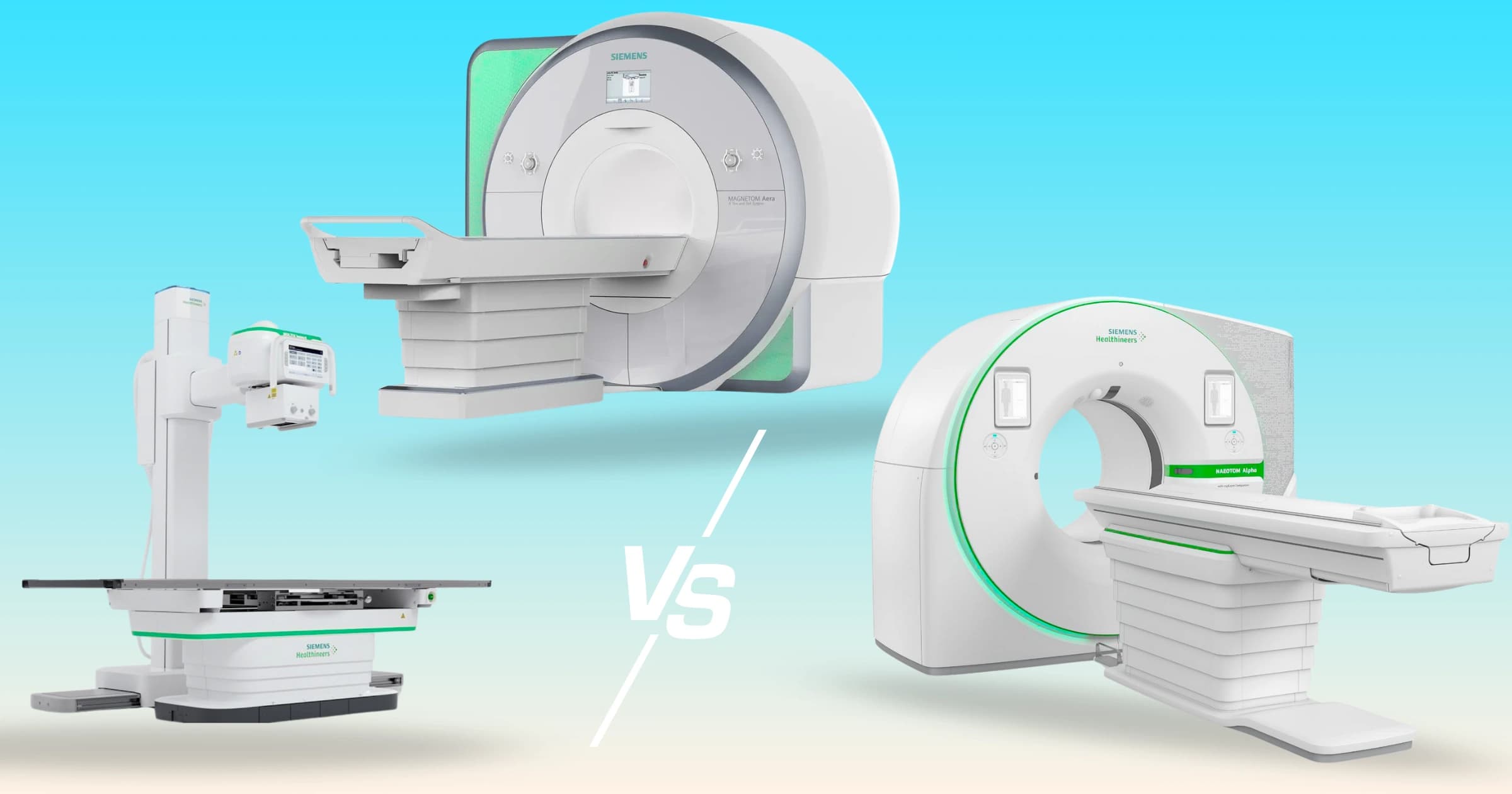
CT Colonography/Virtual Colonoscopy (every 5 years) – The Next Best Option
Uses CT imaging to create detailed 3D images of the colon. Non-invasive, no sedation required, and highly accurate for detecting large polyps. If abnormalities are found, you'll need a traditional colonoscopy for polyp removal.
Cologuard (every 3 years)
At-home stool DNA test that detects abnormal DNA and blood in stool. Convenient but less sensitive than colonoscopy. Positive results require follow-up colonoscopy.
FIT Test (annually)
Fecal immunochemical test detects hidden blood in stool. Simple, inexpensive, done at home. Also requires colonoscopy if positive.
Lifestyle Factors That Matter
Beyond screening, multiple lifestyle factors independently reduce colorectal cancer risk:
- Limit red and processed meat consumption
- Maintain healthy body weight
- Exercise regularly
- Avoid tobacco
- Moderate alcohol intake
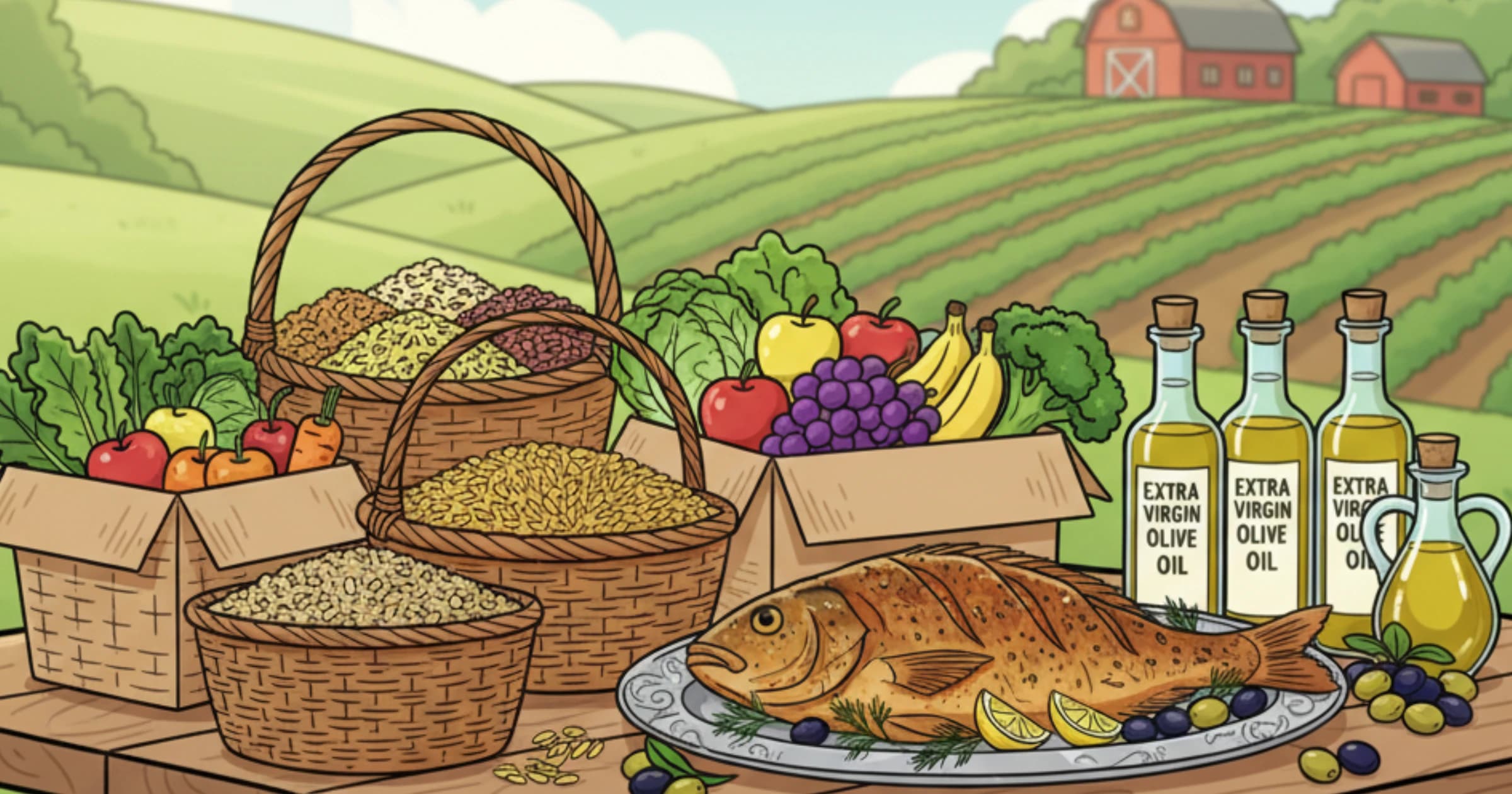
A diet rich in fruits, vegetables, whole grains, and seafood – often termed a "prudent" dietary pattern – is consistently associated with lower cancer risk.
Shifting the Narrative
The protein obsession dominating fitness culture has real consequences when it crowds out other essential nutrients. Getting young people to think of fiber not as an afterthought but as foundational may help reverse these troubling trends.
The Science Is Clear
Fiber supports gut health, feeds beneficial microbes, produces cancer-fighting metabolites, and reduces colorectal cancer risk through multiple validated mechanisms. What remains is the harder work of cultural change – making fiber-rich foods appealing, accessible, and routine rather than obligatory or boring.
For Parents: Balance the Plate
If you're watching your children navigate nutrition advice filtered through social media influencers and gym culture, the message is straightforward: by all means, support adequate protein intake. But ensure the plate also holds beans, whole grains, fruits, and vegetables.
The gut health established in youth sets the trajectory for decades to come.
References
[1] Aune, D., Chan, D. S., Lau, R., Vieira, R., Greenwood, D. C., Kampman, E., & Norat, T. (2011). Dietary fibre, whole grains, and risk of colorectal cancer: systematic review and dose-response meta-analysis of prospective studies. BMJ (Clinical research ed.), 343, d6617. link
[2] Bingham, S. A., Day, N. E., Luben, R., Ferrari, P.,… European Prospective Investigation into Cancer and Nutrition (2003). Dietary fibre in food and protection against colorectal cancer in the European Prospective Investigation into Cancer and Nutrition (EPIC): an observational study. Lancet (London, England), 361(9368), 1496–1501. link
[3] Colorectal cancer statistics | How common is colorectal cancer? (n.d.). American Cancer Society. link
[4] Donohoe, D. R., Garge, N., Zhang, X., Sun, W., O'Connell, T. M., Bunger, M. K., & Bultman, S. J. (2011). The microbiome and butyrate regulate energy metabolism and autophagy in the mammalian colon. Cell metabolism, 13(5), 517–526. link
[5] Hullar, M. A., & Fu, B. C. (2014). Diet, the gut microbiome, and epigenetics. Cancer journal (Sudbury, Mass.), 20(3), 170–175. link
[6] Liu, L., Tabung, F. K., Zhang, X., Nowak, J. A., Qian, Z. R., Hamada, T., Nevo, D., Bullman, S., Mima, K., Kosumi, K., da Silva, A., Song, M., Cao, Y., Twombly, T. S., Shi, Y., Liu, H., Gu, M., Koh, H., Li, W., Du, C., … Giovannucci, E. L. (2018). Diets That Promote Colon Inflammation Associate With Risk of Colorectal Carcinomas That Contain Fusobacterium nucleatum. Clinical gastroenterology and hepatology : the official clinical practice journal of the American Gastroenterological Association, 16(10), 1622–1631.e3. link
[7] Quaglio, A. E. V., Grillo, T. G., De Oliveira, E. C. S., Di Stasi, L. C., & Sassaki, L. Y. (2022). Gut microbiota, inflammatory bowel disease and colorectal cancer. World journal of gastroenterology, 28(30), 4053–4060. link
[8] Reynolds, A., Mann, J., Cummings, J., Winter, N., Mete, E., & Te Morenga, L. (2019). Carbohydrate quality and human health: a series of systematic reviews and meta-analyses. The Lancet, 393(10170), 434-445.
[9] Siegel, R. L., Wagle, N. S., Cercek, A., Smith, R. A., & Jemal, A. (2023). Colorectal cancer statistics, 2023. CA: a cancer journal for clinicians, 73(3), 233–254. link
[10] Slavin J. (2013). Fiber and prebiotics: mechanisms and health benefits. Nutrients, 5(4), 1417–1435. link
[11] Vanhoutvin, S. A., Troost, F. J., Hamer, H. M., Lindsey, P. J., Koek, G. H., Jonkers, D. M., Kodde, A., Venema, K., & Brummer, R. J. (2009). Butyrate-induced transcriptional changes in human colonic mucosa. PloS one, 4(8), e6759. link