
The house gets quiet again in September. The lunches are packed, the forms are signed, the bus has come and gone. And somewhere in that first calm hour of the morning, a familiar thought tends to surface: everyone else is taken care of. What about me?
For a lot of us, our own health is the thing that waits. We schedule the kids' physicals, we stay on top of the dentist and the pediatrician and the eye doctor, and we quietly assume that as long as we feel fine, we are fine. But “feeling fine” turns out to be a surprisingly unreliable narrator, especially when it comes to the slow, invisible processes that shape our long-term health.
This is the season of the reset. So let's talk about one of the most overlooked players in that reset: your immune system, the environment that may be provoking it, and why the tools to actually see what's happening inside your body have gotten remarkably good.
The Fire
When most of us think about the immune system, we think about fighting off a cold. Kids bring the germs home, someone gets sniffly, the body rallies, and a week later everyone is back to normal. That's the immune system doing exactly what it's supposed to do: mount a sharp, temporary response and then stand down.
The trouble starts when it doesn't stand down.
Scientists have a name for the low, persistent, smoldering version of that response: chronic inflammation. Unlike the acute inflammation of a scraped knee or a sore throat, this kind runs in the background for months or years, often without any symptoms you'd notice. Researchers studying aging have even coined a term for it, “inflammaging,” to describe the low-grade chronic inflammation that tends to accumulate as we get older, without any overt infection driving it.
This chronic version of inflammation is increasingly understood as a common thread running through many of the diseases we most want to avoid. Reviews of the research describe chronic inflammation as being associated with atherosclerosis, heart failure, metabolic syndrome, neurodegenerative disease, and cancer.
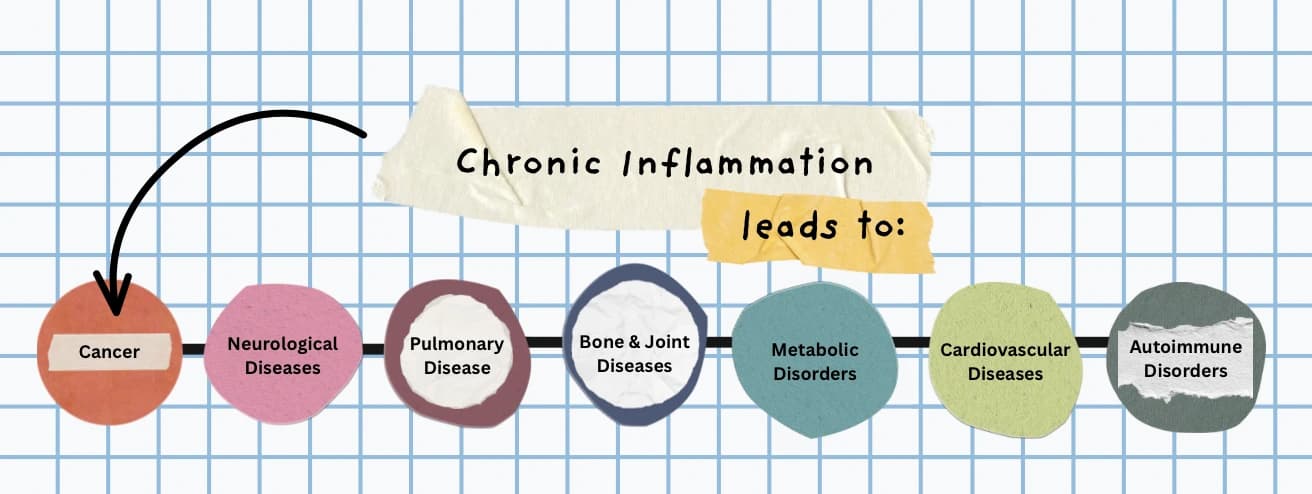
In cardiology specifically, systemic inflammation is now recognized as an independent driver of cardiovascular risk, capable of advancing atherosclerosis and destabilizing plaque even during otherwise stable phases. One of the striking findings is that in healthy women, elevated levels of the inflammation marker C-reactive protein predicted cardiovascular events over a 30-year window.
Thirty years. That's the kind of timeline we're dealing with. The fire can burn for a very long time before it ever announces itself.
What's Feeding It
So what stokes the fire? Part of the answer is the environment we live in, and not in a distant, someone-else's-problem way. Some of the biggest contributors are sitting inside the homes we've just spent all summer in.
Start with the one almost nobody tests for: radon. It's a naturally occurring radioactive gas that seeps up from the soil and collects indoors, and you cannot see it, smell it, or taste it. According to the U.S. Environmental Protection Agency, radon is the second leading cause of lung cancer after smoking, and is responsible for roughly 21,000 lung cancer deaths in the United States every year. It's also the number one cause of lung cancer among people who have never smoked.
The unsettling part is how ordinary it is. The EPA and the Surgeon General recommend testing every home, because any building, new or old, sealed or drafty, with a basement or without, can have elevated levels. Research has even found that chronic home radon exposure is associated with higher inflammatory biomarker concentrations in children and adolescents.
Then there's the air itself. Fine particulate matter, the microscopic pollution known as PM2.5 that comes from traffic, industry, and increasingly wildfire smoke, is small enough to slip from the lungs into the bloodstream and trigger responses throughout the body.
A 2025 study in Radiology used cardiac MRI to look directly at the heart tissue of 694 people and found that higher long-term exposure to this pollution was associated with more diffuse myocardial fibrosis, a subtle scarring of the heart muscle that can precede heart failure. The shocking findings is that this showed up not just in people with known heart conditions, but in the participants whose hearts otherwise looked completely normal.
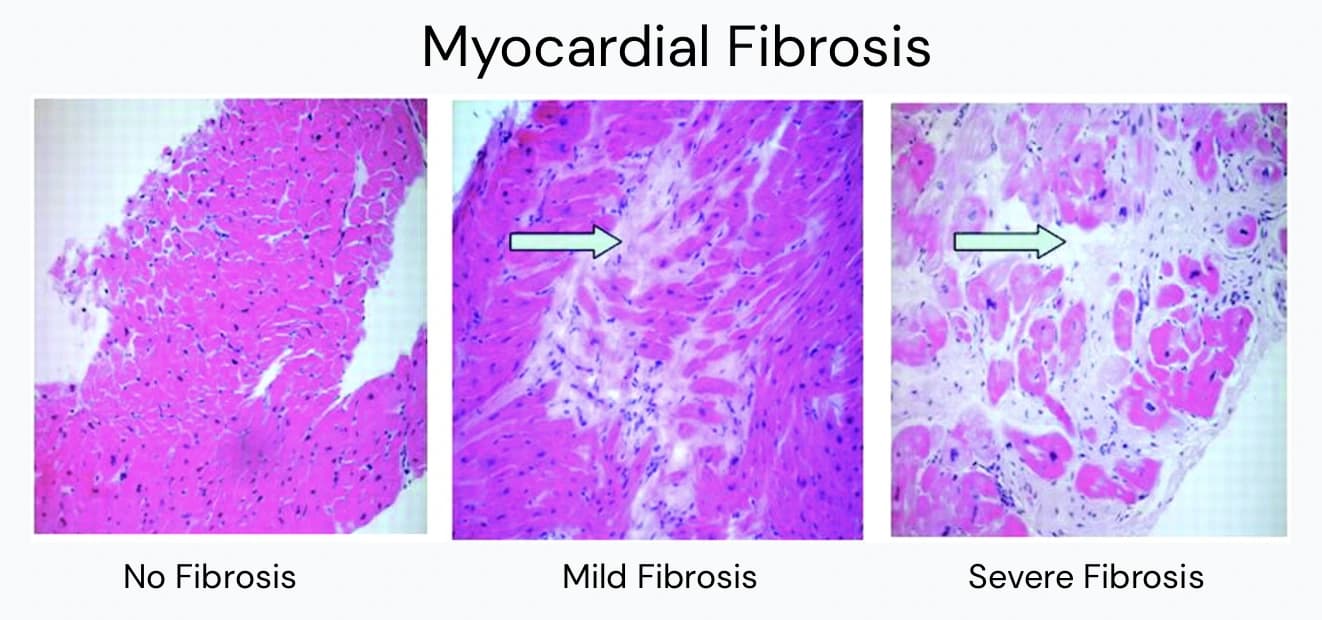
None of this requires living somewhere unusually polluted. Much of the exposure in that heart study fell below international air quality guidelines, which led the researchers toward an uncomfortable conclusion: there may be no clearly safe level.
The Damage You Can't Feel
Here's the theme tying all of this together. The processes we've been describing are, almost by design, invisible.
The heart scarring in that cardiac MRI study wasn't something those healthy participants could feel. Their blood pressure could have been normal. A standard EKG could have looked clean. The change was only visible because someone looked directly at the tissue with the right tool.
The same pattern holds for the brain. Multiple MRI studies have linked air pollution exposure to measurable changes in brain structure, including reduced volume in specific regions, with effects concentrated in two cognitive domains in particular: executive function and memory. Research in older adults who were cognitively unimpaired at the time, meaning they were functioning normally, still found pollution exposure associated with lower gray and white matter volume and weaker performance on memory and executive tasks. The changes were visible on imaging before they were visible in daily life.
That gap between what a scan can see and what a person can feel is the entire point. By the time symptoms arrive, these processes have usually been building for years. Which means the most valuable thing you can have isn't a diagnosis after something goes wrong. It's a clear picture, early, while you still have room to act.
Why “I Feel Fine” Isn't the Same as “I'm Fine”
This is where the fall reset gets practical.
Your annual physical is useful, but it's built around a handful of surface-level signals: blood pressure, a basic blood panel, a look in your ears and throat. Those checks are good at catching what they're designed to catch. They are not designed to see diffuse scarring in heart muscle, subtle changes in brain volume, or quiet inflammation and tissue change spread across multiple organ systems at once. A single blood test or a single-organ exam gives you one narrow window. The processes we've been talking about don't confine themselves to one window.
That's the case for looking more comprehensively. Advanced imaging, and whole-body MRI in particular, can survey many organs and tissues in a single session, without radiation, building a fuller picture of what's actually happening beneath the surface. Instead of asking “is my heart okay” or “is my brain okay” one at a time and hoping the surface signals hold, you get to ask the bigger, more honest question: how is my body, as a whole, responding to the life and environment I'm living in?
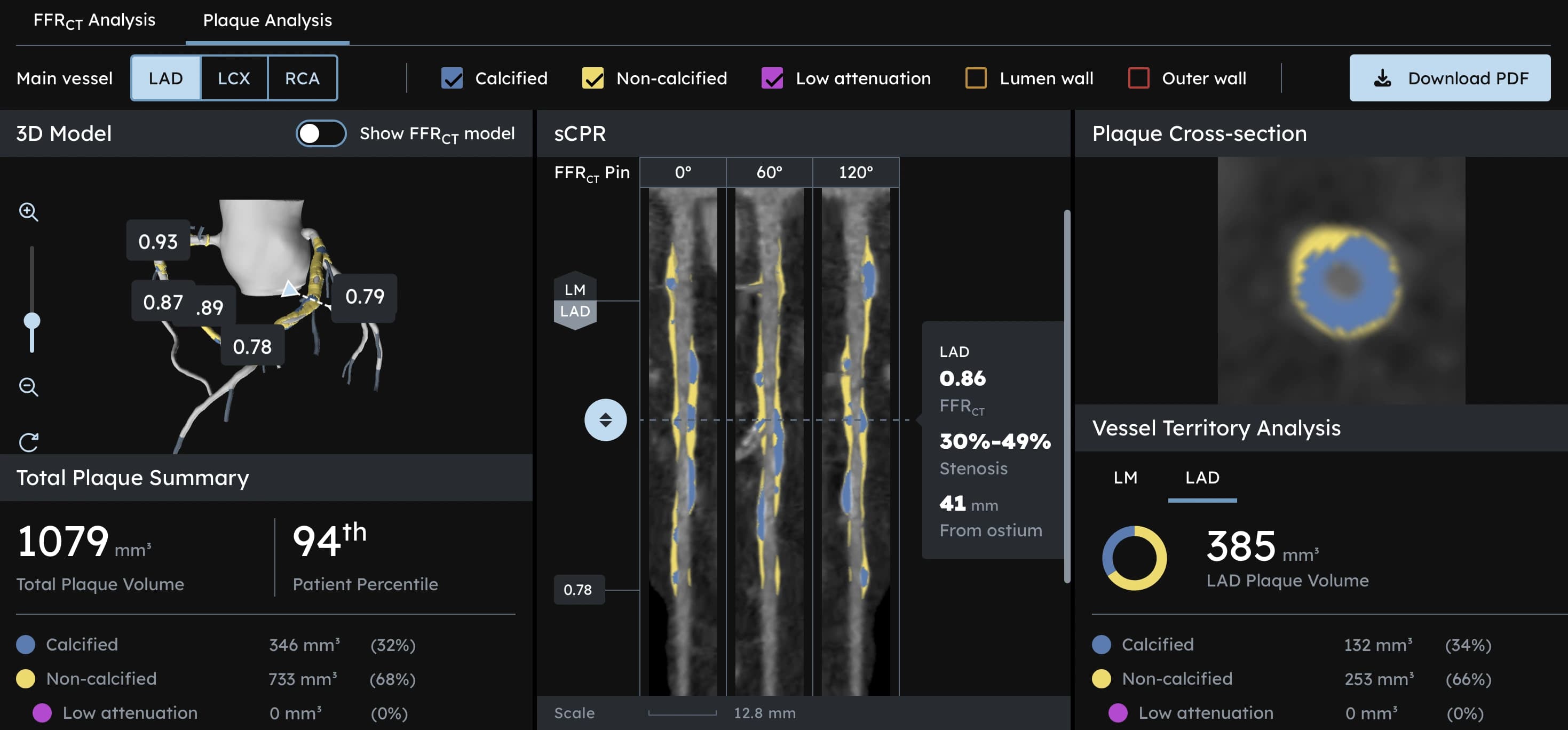
For anyone with a specific concern about the heart, there are more targeted options too. A coronary CT angiogram, or CCTA, can look directly at the arteries and detect plaque buildup long before it becomes a crisis, which matters given how much of cardiovascular disease is driven by that quiet inflammatory process in the artery walls.
Take Care of the Caretaker
There's a reason the safety briefing on every flight tells you to secure your own oxygen mask before helping others, it's just the rational, logical thing to do. The people who depend on you are far better served by the healthiest, happiest version of you who caught the quiet thing early than by a version who kept waiting until it got loud.
You just spent months making sure everyone else was set for the year ahead. The house is quiet now. The window is open. This is the season to point some of that same care back at yourself, and to trade “I feel fine” for something far more reassuring: actually knowing.

References
[1] American Cancer Society. (n.d.). Radon and cancer risk. link
[2] Taylor, B. K., Smith, O. V., & Miller, G. E. (2022). Chronic Home Radon Exposure Is Associated with Higher Inflammatory Biomarker Concentrations in Children and Adolescents. International Journal of Environmental Research and Public Health, 20(1), 246. link
[3] Licata, S., Diaz, V. E., Lo, C., VandeBunte, A. M., Saloner, R., Dutt, S., Chen, C., Pham, L., Olzinski, M., Paolillo, E. W., Callies, L. S., Hallgarth, S. R., Andriola, C., Kramer, J. H., Casaletto, K. B., & Cadwallader, C. J. (2025). The role of Air-Borne Pollutant exposure on Brain and cognitive aging. Alzheimer's & Dementia, 21(Suppl 2), e102446. link
[4] Yuan, A., Halabicky, O., Rao, H., & Liu, J. (2023). Lifetime air pollution exposure, cognitive deficits, and brain imaging outcomes: A systematic review. NeuroToxicology, 96, 69–80. link
[5] Du Plessis, J., DesRoche, C., Delaney, S., Nethery, R. C., Hong, R., Thavendiranathan, P., Ross, H., Castillo, F., & Hanneman, K. (2025). Association between Long-term Exposure to Ambient Air Pollution and Myocardial Fibrosis Assessed with Cardiac MRI. Radiology, 316(1), e250331. link
[6] Baechle, J. J., Chen, N., Makhijani, P., Winer, S., Furman, D., & Winer, D. A. (2023). Chronic inflammation and the hallmarks of aging. Molecular Metabolism, 74, 101755. link
[7] Fukuda, D., & Sata, M. (2021). Frontiers of inflammatory disease research: inflammation in cardiovascular–cerebral diseases. Inflammation and Regeneration, 41, 10. link
[8] Cacciatore, S., Andaloro, S., Bernardi, M., Oterino Manzanas, A., Spadafora, L., Figliozzi, S., Asher, E., Rana, J. S., Ecarnot, F., Gragnano, F., Calabrò, P., Gallo, A., Andò, G., Manzo-Silberman, S., Roeters van Lennep, J., Tosato, M., Landi, F., Biondi-Zoccai, G., Marzetti, E., & Sabouret, P. (2025). Chronic Inflammatory Diseases and Cardiovascular Risk: Current Insights and Future Strategies for Optimal Management. International Journal of Molecular Sciences, 26(7), 3071. link
[9] U.S. Environmental Protection Agency. (2024). Radon. link