
As the calendar turns to 2026, the familiar resolution to "join a gym" feels increasingly like a relic of a simpler era. For decades, health was viewed through a binary lens: you were either sick and seeing a doctor, or you were healthy and trying to outrun a bad diet on a treadmill.
That binary has dissolved.
Between med spas offering IV drips, apps tracking your blood sugar in real-time, and the undeniable cultural impact of GLP-1s, the world of looking well and feeling well is closer than ever. But with accessibility comes complexity.
For those window shopping the health practices that might serve them best, the challenge is no longer finding motivation. It's navigating the overwhelming menu of options available to get there.
As we anticipate the health landscape of 2026, it is time to take inventory – not just of your daily macros, but of the medical innovations that can actually move the needle on your longevity. Here is a guide to building a proactive health strategy that balances the non-negotiable foundations with the frontiers of science.
You Can't Biohack a Weak Foundation
Before you spend thousands on scans or serums, you must audit your biological baseline. No amount of hyperbaric oxygen will undo the damage of ignored blood pressure or skipped screenings.
For those in their 40s and 50s, "preventative maintenance" is non-negotiable. According to the U.S. Preventive Services Task Force (USPSTF), this is the decade where screening schedules tighten.
The Big Three Screenings
Cardiovascular Health
Heart disease is the #1 cause of death globally, yet it's largely preventable with early detection. But if your doctor is only checking blood pressure and ordering a basic lipid panel, you're getting 1990s-level cardiovascular assessment.
Blood pressure remains foundational—hypertension is called the "silent killer" for a reason. But here's what most people miss: isolated systolic hypertension (top number elevated, bottom number normal) is common in your 40s and 50s and dramatically increases stroke risk even when total cholesterol looks fine.
The Cardio IQ Panel (Quest Diagnostics) goes far beyond standard cholesterol. While your annual physical checks total cholesterol, LDL, and HDL, the Cardio IQ panel measures:
- LDL particle number and size (small, dense LDL particles are far more atherogenic than large, fluffy ones—even at the same LDL-C level)
- Apolipoprotein B (ApoB): The most accurate predictor of cardiovascular risk, better than LDL cholesterol alone
- Lipoprotein(a) [Lp(a)]: A genetic risk factor affecting 20% of the population that standard lipid panels miss entirely
- hs-CRP (high-sensitivity C-reactive protein): Measures systemic inflammation driving plaque formation
- Homocysteine: Elevated levels increase stroke and heart attack risk
Why this matters: You can have "normal" cholesterol on a standard panel and still be at high cardiovascular risk. The Cardio IQ panel (or similar advanced lipid testing from LabCorp, Vibrant America, or Boston Heart Diagnostics) reveals the quality of your cholesterol, not just the quantity.
Coronary CT Angiography (CCTA) with AI analysis has emerged as the gold standard for early detection of coronary artery disease. Unlike a calcium score (which only measures calcified plaque), CCTA visualizes:
- Soft plaque (the dangerous, rupture-prone kind responsible for most heart attacks)
- Fractional Flow Reserve (FFR) via AI (HeartFlow)—measuring how plaque restricts blood flow without invasive catheterization
- Total plaque burden across all three coronary arteries
The SCOT-HEART trial showed CCTA reduced fatal heart attacks by 41% over five years. The American College of Cardiology now gives it their highest recommendation for chest pain evaluation, but forward-thinking cardiologists are using it proactively in high-risk patients before symptoms appear.
Cancer Screening
Cancer screening is no longer a one-size-fits-all timeline. The tools have evolved, the age recommendations have shifted younger, and personalized risk assessment is now the standard for those paying attention.
Breast Cancer: Beyond Mammography
Women should begin annual mammograms at age 40, but we'd argue even earlier if you have:
- Family history of breast or ovarian cancer
- Dense breast tissue (which affects 40% of women and makes mammography less effective)
- BRCA1/BRCA2 mutations or other genetic risk factors
The problem with standard mammography: It misses 20–50% of cancers in women with dense breasts. There are other supplemental screening options:
- 3D mammography (tomosynthesis): Improves cancer detection by 40% in dense breasts
- Breast MRI: Gold standard for high-risk women; detects cancers mammography misses
- QT Ultrasound: A newer, radiation-free technology that measures tissue stiffness and blood flow to detect tumors as small as 2mm
Our take: If you have dense breasts or family history, don't rely on mammography alone. Supplement with MRI or QT ultrasound.
Prostate Cancer
PSA (prostate-specific antigen) screening remains the standard for men aged 55–69, with earlier screening recommended for those with family history or African American men (starting at age 45).
Adding prostate MRI provides an imaging complement to PSA, allowing you to:
- Visualize the prostate's size and structure
- Monitor prostate volume over time (benign prostatic hyperplasia vs. potential malignancy)
- Identify suspicious lesions before biopsy, reducing unnecessary procedures
- Guide targeted biopsies if concerning areas are detected
Our take: PSA is foundational, but adding prostate MRI gives you a visual baseline and helps distinguish aggressive disease from slow-growing changes that may never require treatment. For men with elevated or rising PSA, MRI is increasingly the next step before jumping to biopsy.
Colorectal Cancer
Colorectal cancer rates in adults under 50 have doubled since the 1990s, pushing screening recommendations to age 45 (and some gastroenterologists argue for age 40 if you have risk factors).
Your options:
- Colonoscopy (gold standard): Detects and removes polyps in one procedure. Recommended every 10 years if normal.
- Virtual colonoscopy (CT colonography): Non-invasive, no sedation required. Detects polyps >6mm with 90% accuracy. If polyps are found, you'll still need a traditional colonoscopy for removal.
- Cologuard (stool DNA test): At-home test detecting DNA mutations and blood. Convenient but less sensitive than colonoscopy (42% of advanced polyps are missed). Requires follow-up colonoscopy if positive.
- FIT test (fecal immunochemical test): Detects blood in stool. Cheapest option but misses many polyps and early cancers.
Our take: If you're 45+, don't skip this. Colonoscopy remains the gold standard as it's both diagnostic and therapeutic (polyps removed during the procedure). Virtual colonoscopy is a reasonable alternative for those who refuse sedation, but understand its limitations.
Blood Work
Standard annual blood work is the starting point. For those optimizing longevity, there are many companies like Function Health and Superpower that offer comprehensive panels (< $500/year, 100+ biomarkers) that go beyond the basics.
Key markers to add beyond Cardio IQ:
Metabolic:
- Fasting insulin (optimal: <5 µIU/mL): Catches insulin resistance 5-10 years before blood sugar rises
- HbA1c (optimal: <5.7%): 3-month average blood sugar
Liver:
- ALT, AST, GGT: Screens for liver disease
Thyroid:
- Free T3, Free T4, Reverse T3: TSH alone misses subclinical hypothyroidism
- Thyroid antibodies (TPO, TG): Detects autoimmune thyroid disease
Inflammation & Longevity:
- Homocysteine (optimal: <7 µmol/L): Cardiovascular and neurological risk marker
- Ferritin (optimal: 50-150 ng/mL): Inflammation and iron status
- Vitamin D (optimal: 40-60 ng/mL): Immunity, bone health, mood
Hormones (if symptomatic):
- Men: Total/free testosterone, SHBG, estradiol
- Women: Estrogen, progesterone, FSH, LH
- Both: DHEA-S, cortisol (4-point salivary test)
The "Inside-Out" Approach: The Rise of Full-Body MRIs
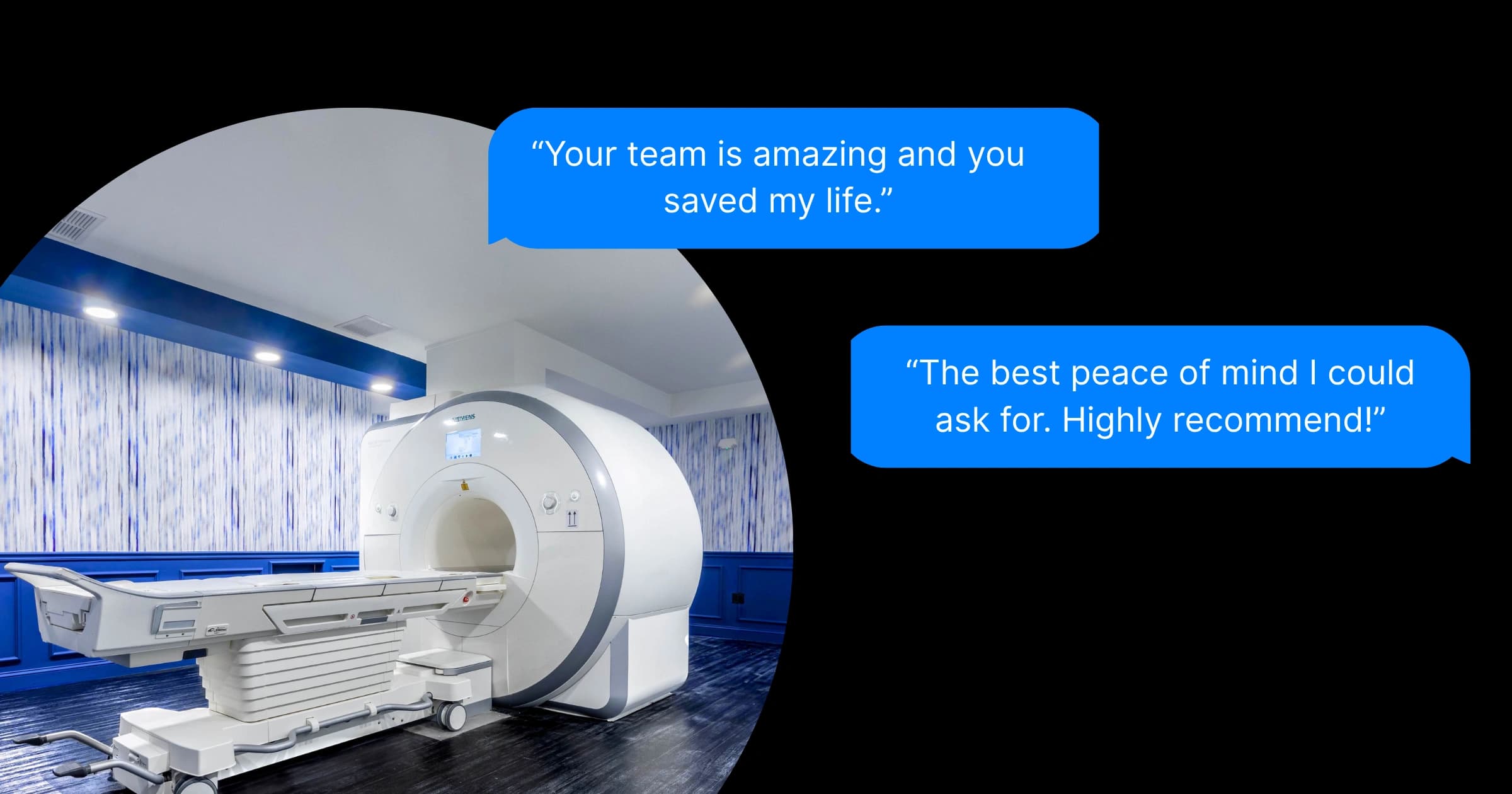
Perhaps the most seductive offering in modern wellness is the elective full-body MRI. New age health anxieties have popularized the idea of a "screening for everything," offering healthy consumers a comprehensive look inside their bodies.
These scans can detect tumors, aneurysms, and general diseases in their earliest, asymptomatic stages, saving time and reducing the stress of larger medical procedures. For the modern hypochondriac, seeing a squeaky clean scan offers an unmatched peace of mind.
While the technology is extensive, medical researchers do not yet actively promote full-body MRI scans. The American College of Radiology promotes its use only when substantiated doubts exist – in other words, persistent headaches, unexplained and persistent bloating, etc. The concern is "overdiagnosis" – finding benign nodules or harmless cysts that may trigger a cascade of further anxiety, follow-up testing, and unnecessary procedures.
At TrueScan, we've designed our protocols specifically to minimize false positives. Our board-certified radiologists are experienced in distinguishing clinically significant findings from benign incidentals. Every scan is interpreted with context – patient age, history, and risk factors – to avoid triggering unnecessary anxiety or invasive follow-up. We don't just report everything we see; we provide guidance on what matters and what doesn't.
Our philosophy: Full-body MRI is most valuable when combined with expert interpretation and thoughtful clinical judgment. If you have the means and want a comprehensive baseline of your health, this scan – paired with our experienced team – offers powerful insights without unnecessary alarm.
New Age “Miracle Drug”: The GLP-1 Revolution
Few things have shifted the health conversation like GLP-1 receptor agonists (such as semaglutides and tirzepatides). Originally designed for type 2 diabetes, these drugs have crossed over into the wellness sphere, offering a pharmacological solution to weight management.
Conversations are continuing on possible cascading benefits such as improvement to heart, kidney, and liver health, easing sleep apnea, joint pain, and inflammation, with emerging research even pointing to potential neurological benefits for addiction and mood.
For those struggling with metabolic slowdown, these medications can offer significant weight reduction and, crucially, cardiovascular protection. The SELECT trial showed that these medications could reduce the risk of heart attack and stroke in non-diabetic adults who are overweight, validating them as true "health" drugs, not just "vanity" drugs.
It is very important to note that these are serious medications, not supplements. They require a long-term (potentially lifelong) commitment; stopping the drug often leads to rapid weight regain. Side effects can include muscle loss (sarcopenia), which is particularly detrimental as we age.
Who Should Consider GLP-1s?
If you have a BMI over 27 with metabolic risk factors (prediabetes, hypertension, high cholesterol), these drugs are game-changers backed by robust clinical data.
But they must be paired with:
- Resistance training (3–4x per week minimum) to preserve muscle mass
- High protein intake (1g per pound of body weight) to counteract sarcopenia
- Realistic expectations about long-term commitment
Our take: GLP-1s are an investment in metabolic health, not a quick fix for a beach vacation.
See the Dashboard of Your Body
Beyond imaging and pharmacology, three technologies are reshaping how we understand our bodies in real-time.
Continuous Glucose Monitors (CGMs)
Once reserved for insulin-dependent diabetics, CGMs are now worn by biohackers, athletes, and wellness enthusiasts tracking their metabolic responses.
Why it matters: Even non-diabetics experience massive glucose spikes from stress, poor sleep, or "healthy" foods their bodies don't tolerate well. A bagel might spike your glucose to 180 mg/dL while an omelet keeps you stable at 95 mg/dL. That difference affects energy, inflammation, hunger, and long-term metabolic health.
Our take: Worth a 3-month experiment. The insights you gain about your body's specific responses often lead to permanent dietary changes without feeling restrictive. Most people discover that their "healthy" breakfast is sabotaging their entire day.
Hyperbaric Oxygen Therapy (HBOT)
HBOT involves breathing 100% oxygen in a pressurized chamber. While FDA-approved for wound healing and decompression sickness, wellness clinics now market it for anti-aging and cognitive enhancement.
The science: Some research suggests that specific HBOT protocols can lengthen telomeres (a cellular marker of aging) and reduce senescent "zombie" cells that accumulate with age and drive inflammation.
Our take: While this is promising, effective protocols often require 30+ sessions, making it a massive time and financial commitment. For elite performers or those with specific recovery needs (post-stroke, traumatic brain injury), the science is intriguing enough to explore.
Sleep Monitoring
Sleep is where biology does its most important work – clearing metabolic waste from the brain, consolidating memories, and regulating hormones that control appetite and inflammation.
Yet most people have no quantitative data on their sleep quality.
The tools:
- Wearables (Oura Ring, Apple Watch, Whoop) use heart rate variability, movement, and temperature to estimate sleep architecture – how much time you spend in deep sleep vs. light or REM sleep.
- At-home sleep apnea tests can detect this underdiagnosed condition, which affects up to 1 in 4 middle-aged adults.
- Polysomnography (in-lab sleep study) provides gold-standard data if clinically indicated.
Why it matters: Poor sleep is linked to weight gain, insulin resistance, increased cancer risk, and accelerated cognitive decline. It's arguably the most leveraged health intervention available. Tracking your sleep often creates behavioral change simply through awareness: you begin to notice that alcohol disrupts REM sleep, or that exercise timing matters.
Our take: Start with a free app or your smartphone's built-in sleep tracking to establish a baseline. If you consistently see poor sleep architecture or suspect sleep apnea (loud snoring, daytime fatigue), escalate to a wearable or medical testing. Wearables offer excellent value (~$300–400 once), while in-lab testing is reserved for diagnosing specific disorders.
Conclusion: Be The CEO of Your Own Health
The most significant shift in health for 2026 is psychological: you are no longer a passenger in the healthcare system. You are the CEO.
The tools available today allow you to look under the hood (imaging, blood work), optimize your fuel (diet monitoring, metabolic tracking), and upgrade your engine (supplements, targeted interventions).
However, just to extend the metaphor a little further, a CEO does not spend the entire budget on R&D while ignoring the electric bill.
Start by nailing the foundation: annual physicals, cancer screenings, blood work, dental care. Once that baseline is secure, explore these emerging tools with curiosity and skepticism.
The goal is not just to live longer, but to extend your health span – the number of years you spend feeling capable, vibrant, and alive.
Further Readings
The Adult Preventive Health Care Schedule: a helpful guide -read here
US Preventative Services Task Force: A & B Recommendations -read here
Women's Preventive Services Initiative, the Well-Woman Chart -read here
References
[1] American College of Radiology. (2023). ACR Statement on Screening for Whole-Body MRI. link
[2] Hachmo, Y., Hadanny, A., Abu Hamed, R., Daniel-Kotovsky, M., Catalogna, M., Fishlev, G., Lang, E., Polak, N., Doenyas, K., Friedman, M., Zemel, Y., Bechor, Y., & Efrati, S. (2020). Hyperbaric oxygen therapy increases telomere length and decreases immunosenescence in isolated blood cells: a prospective trial. Aging, 12(22), 22445–22456. link
[3] Bade, S., Hurdle, M. F. B., Bade, S., Encalada, S., Kanahan-Osman, S., & Gupta, S. (2025). GLP-1 agonists: a game changer in pain treatment and addiction. Pain management, 15(10), 753–765. link
[4] Gonzalez-Rellan, M. J., & Drucker, D. J. (2025). The expanding benefits of GLP-1 medicines. Cell reports. Medicine, 6(7), 102214. link
[5] Moll, H., Frey, E., Gerber, P., Geidl, B., Kaufmann, M., Braun, J., Beuschlein, F., Puhan, M. A., & Yebyo, H. G. (2024). GLP-1 receptor agonists for weight reduction in people living with obesity but without diabetes: a living benefit-harm modelling study. EClinicalMedicine, 73, 102661. link
[6] Ryan, D.H., Lingvay, I., Deanfield, J. et al. Long-term weight loss effects of semaglutide in obesity without diabetes in the SELECT trial. Nat Med 30, 2049–2057 (2024). link
[7] Klonoff, D. C., Nguyen, K. T., Xu, N. Y., Gutierrez, A., Espinoza, J. C., & Vidmar, A. P. (2023). Use of Continuous Glucose Monitors by People Without Diabetes: An Idea Whose Time Has Come?. Journal of diabetes science and technology, 17(6), 1686–1697. link